
How to Choose the Right Research Methodology

How to Choose the Right Research Methodology
Choosing the right research methodology is one of the most important decisions in any research project. It shapes the type of data you gather, the insights you uncover, and the confidence you can place in your conclusions. A strong methodology doesn’t just support the research — it strengthens every decision that follows.
Yet for many teams, selecting a methodology feels overwhelming. There are countless tools, techniques, and approaches, each suited to different questions. The key is understanding what you want to learn and matching that objective with the method that will reveal the clearest truth.
Why Methodology Matters
Methodology is more than a technical choice; it is the backbone of credibility. A beautifully designed questionnaire or a well-run interview is meaningless if the method itself doesn’t fit the problem you’re trying to solve.
If you need to measure frequency or estimate demand, qualitative conversations alone will not suffice. If you’re exploring emotional motivations, a large-scale survey may help quantify the issue but won’t explain why it exists. A mismatch between method and objective creates blind spots that can mislead brands — sometimes subtly, sometimes significantly.
Choosing wisely ensures your research produces insights you can trust.
Start With the Problem, Not the Method
The best starting point is always the problem you’re trying to solve. Before thinking about techniques, consider what decision this research needs to support. Are you trying to understand people’s motivations? Forecast market size? Evaluate reactions to a new product? Improve customer experience? Sharpen brand positioning?
A clearly defined research objective acts as a filter. It prevents unnecessary complexity and keeps the methodology aligned with the real business question.
When to Use Qualitative Approaches
Qualitative research is ideal when you need depth — when numbers alone cannot reveal the emotional, psychological, or contextual layers of consumer behavior.
It is especially useful in the early stages of exploration: uncovering unmet needs, shaping new ideas, refining messaging, or understanding frustrations in a customer journey. The strength of qualitative research lies in its ability to reveal meanings, motivations, beliefs, and hidden tensions that people might not articulate without conversation or observation.
This method is not about how many people feel something, but about why they feel it.
When to Use Quantitative Approaches
Quantitative research shines when measurement and validation are required. If you need to estimate the size of an opportunity, rank product features, segment a market, or track brand health, quantitative methods offer statistical reliability.
Surveys and structured instruments allow you to generalize findings across a larger population. They help you answer questions like: How many customers feel this way? How often does this happen? Which concept performs best? What price points drive the strongest demand?
Quantitative research transforms patterns into evidence — evidence that leaders can confidently use in strategic decisions.
Mixed Methods: When Both Are Needed
Some research questions benefit from a blended approach. For instance, a brand exploring a new product concept may begin with qualitative research to understand emotional reactions, unmet needs, and feature expectations. Once ideas are refined, quantitative testing can measure demand or evaluate trade-offs at scale.
Mixed methods deliver both depth and breadth, ensuring you understand the human story behind the numbers and the statistical weight behind the insights.
Considering the Target Audience and Accessibility
A methodology must also match the realities of your audience. Hard-to-reach groups may require more specialized approaches such as in-home interviews, telephone research, or ethnographic observation. Younger digital-native audiences may respond better to mobile-first surveys, online communities, or interactive tasks.
Practical considerations — internet access, literacy levels, cultural norms — all shape what is feasible and respectful.
Time, Budget, and Practical Constraints
Ideal methodology sometimes meets real-world constraints. Time-sensitive decisions may not allow for extended fieldwork. Limited budgets may shape sample sizes or require prioritization of research components.
However, constraints do not mean compromising quality. Often, a more focused methodology — done well — delivers more meaningful insight than a complex design stretched too thin.
Ensuring Alignment With Stakeholder Expectations
Another key element in choosing the right methodology is stakeholder alignment. What level of certainty do decision-makers require? Do they need directional guidance or statistically validated conclusions? Are they expecting emotional narratives or numerical performance indicators?
A clear conversation with stakeholders prevents mismatched expectations and ensures the final results are both useful and trusted.
Conclusion
Choosing the right research methodology is ultimately an act of strategic alignment: matching your objectives, audience, constraints, and desired outcomes with the approach that will deliver the clearest insight. When methodology is chosen thoughtfully, research becomes a powerful tool for understanding people, revealing opportunity, and supporting confident decision-making.
Strong decisions come from strong insights — and strong insights begin with the right method.
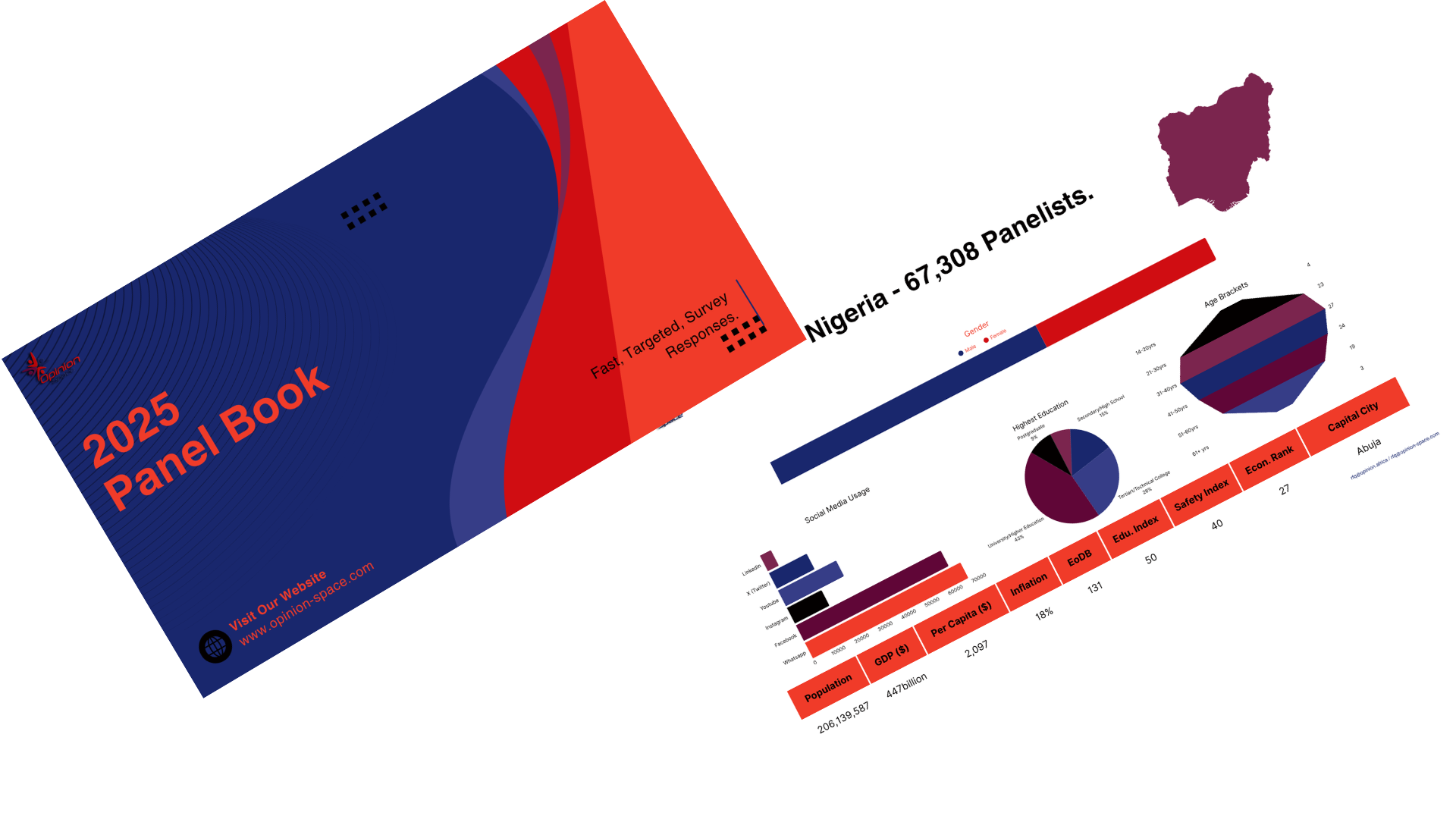
Download Our Latest Panel Book