
Guide to Using Focus Groups in Academic Research

Guide to Using Focus Groups in Academic Research
Focus groups are one of the most insightful qualitative research methods available to students and academic researchers. Unlike one-on-one interviews, a focus group brings several participants together to discuss a topic in a shared setting. The conversation that unfolds often reveals beliefs, motivations, and experiences that individual interviews might not uncover.
For school projects, undergraduate studies, or even postgraduate research, focus groups can provide rich, detailed data — as long as they are planned and conducted thoughtfully. This guide walks you through what focus groups are, why they’re useful, and how to use them effectively in academic research.
What Is a Focus Group?
A focus group is a moderated group discussion, usually involving 6 to 10 participants who share characteristics relevant to the study. The goal is not to reach consensus but to explore ideas, reactions, and experiences in a dynamic environment.
The group setting encourages participants to respond to each other’s ideas, build on comments, agree, disagree, or raise new topics — creating layers of insight that are difficult to achieve through surveys alone.
Why Use Focus Groups in Academic Research
Focus groups offer several strengths:
- They Provide Rich, In-Depth Data
Participants can explain their opinions in their own words, giving depth that structured surveys cannot provide.
- Group Interaction Sparks New Insights
One person’s comment can trigger memories, reactions, or disagreements from others, leading to perspectives that might never surface in individual interviews.
- They Are Efficient for Exploring Complex Topics
Instead of conducting multiple interviews, you can gather a wide range of viewpoints in a single session.
- They Work Well for Emotions, Attitudes, and Perceptions
If your study focuses on how people feel about an issue, focus groups can provide the emotional nuance needed to interpret meaning.
- They Support Early-Stage Exploration
Focus groups are excellent for shaping research questions, identifying themes, or generating ideas before designing surveys or experiments.
Choosing Participants for a Focus Group
Strong focus groups rely on selecting the right participants. For academic research, participants should:
- Have relevant experience or interest in the topic
- Be able to speak comfortably in a group
- Be similar enough to feel safe (e.g., same age range)
- But diverse enough to offer different viewpoints
For example, a study on study habits might include students from the same grade level but with different academic strengths or routines.
Avoid mixing participants who might intimidate each other — such as teachers and students together — as this can suppress open discussion.
Planning Your Focus Group Discussion
A successful focus group begins long before the discussion starts. Good planning includes:
- Defining Your Purpose
What exactly do you want to learn? Your purpose shapes your questions, group size, and participant selection.
- Preparing a Discussion Guide
This guide should include:
- A warm-up question
- Broad, open-ended questions
- Probing questions
- Wrap-up or reflection questions
Questions should encourage explanation, comparison, and storytelling rather than simple yes/no answers.
- Setting the Right Environment
A good focus group setting is:
- Quiet and private
- Comfortable
- Free from distractions
- Arranged in a circle or semi-circle to promote equal participation
The environment plays a huge role in how comfortable participants feel sharing openly.
Moderating the Discussion
The moderator’s job is crucial. Their role is to:
- Keep the discussion focused
- Encourage quieter participants to speak
- Prevent any one person from dominating
- Ask follow-up questions
- Ensure respectful interaction
A good moderator is friendly, neutral, and skilled at guiding conversation without controlling it.
Examples of useful moderator prompts:
- “Can you tell me more about that?”
- “Does anyone have a different experience?”
- “Why do you think that happens?”
Moderation is about creating a safe space where ideas can unfold naturally.
Recording and Transcribing the Session
To analyze the discussion effectively, accurate recording is essential. Most academic researchers:
- Use audio or video recordings (with permission)
- Take notes during the session
- Later transcribe the conversation verbatim
Transcription can be time-consuming, but it ensures you capture every important detail, including tone and emotional cues.
Analyzing Focus Group Data
Focus group data is rich and often complex. Analysis typically involves:
- Reading Through the Transcript Carefully
This helps you familiarize yourself with the flow of conversation and key topics.
- Identifying Patterns and Themes
Look for repeated ideas, emotional reactions, or shared experiences.
- Coding the Data
Assign labels (codes) to segments of text that relate to specific categories or ideas.
- Grouping Codes Into Themes
Themes might relate to:
- Barriers
- Motivations
- Attitudes
- Shared challenges
- Differences among participants
- Interpreting Meaning
Ask what the themes reveal about your research question. What do these views tell you about the topic?
Quotes from participants can bring your findings to life in your report.
When Focus Groups Are Most Useful
Focus groups work best when your research aims to:
- Explore why people think or behave a certain way
- Understand emotional responses
- Generate ideas or hypotheses
- Study group dynamics or social influence
- Complement quantitative data
They are less ideal when you need private responses, highly sensitive information, or statistically representative data.
Common Challenges and How to Avoid Them
- One Person Dominating the Group
Solution: The moderator should gently involve quieter participants.
- Participants Feeling Shy or Nervous
Solution: Start with an easy warm-up question and establish a friendly atmosphere.
- Off-topic Conversations
Solution: Gently steer the group back using prompts like, “Let’s return to the topic…”
- Lack of Diversity in Opinions
Solution: Choose a mix of participants and ask probing questions to uncover deeper views.
- Recording Difficulties
Solution: Test all equipment beforehand and place it centrally.
Conclusion
Focus groups are a powerful tool for academic research, offering rich insight into human attitudes, motivations, and experiences. When planned and moderated properly, they provide depth and detail that other methods often miss. Whether you’re studying student experiences, social issues, product ideas, or community challenges, focus groups can elevate your project and provide data that is both meaningful and engaging.
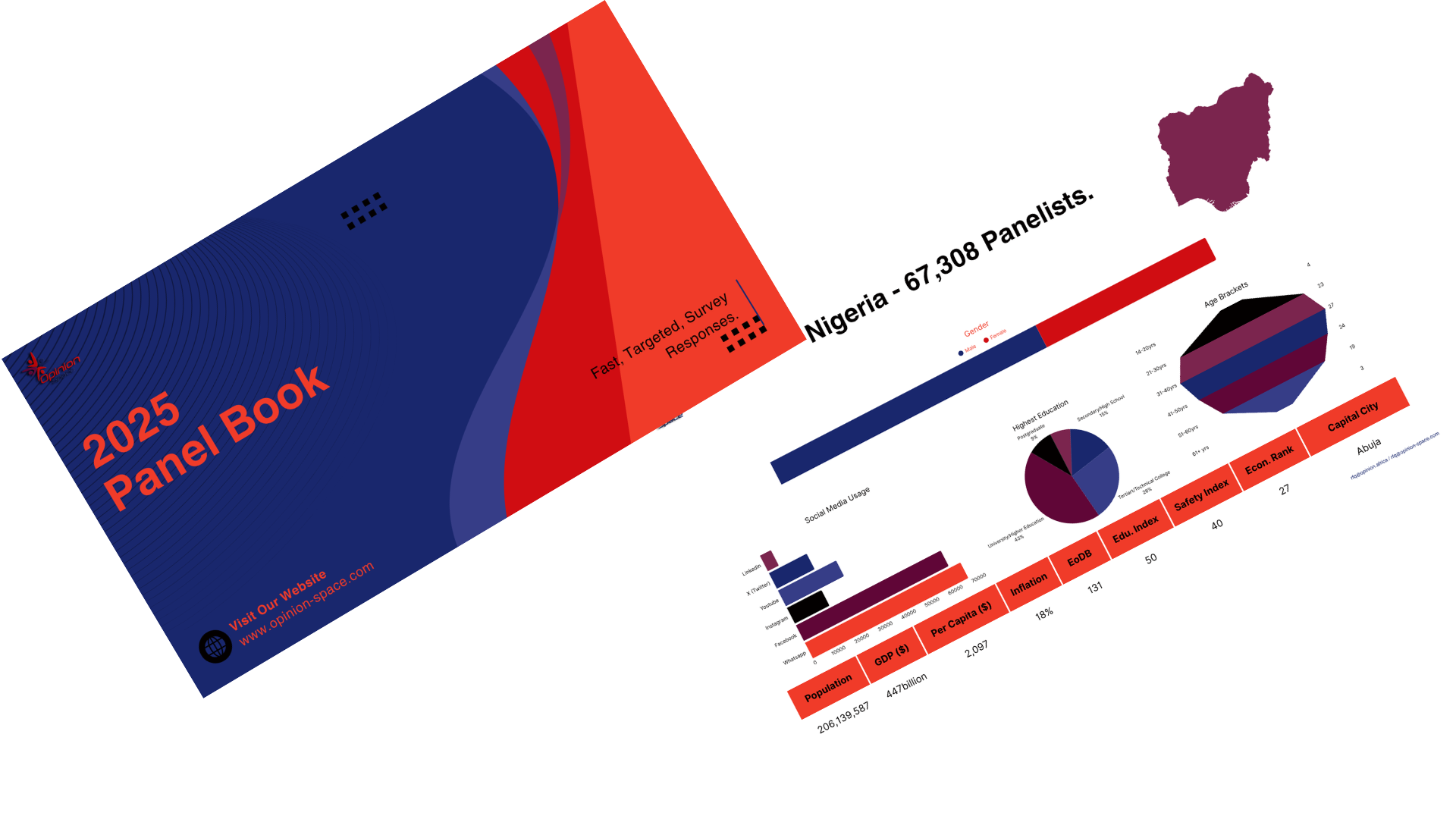
Download Our Latest Panel Book