
Pricing Research Fundamentals Every Brand Should Know

Pricing Research Fundamentals Every Brand Should Know
Pricing is one of the most powerful — and sensitive — levers available to any brand. The right price can boost revenue, strengthen competitiveness, and elevate perceived value. The wrong price can collapse demand, shrink margins, or push customers toward competitors. Because pricing impacts both customer behavior and profitability, it cannot be left to instinct. Pricing research ensures pricing decisions are grounded in real consumer insight rather than guesswork.
By exploring willingness to pay, value perception, and competitive comparisons, pricing research provides the clarity brands need to confidently set prices that attract customers and maximize long-term revenue.
Why Pricing Research Matters
A price is more than a number — it is a signal of value, quality, and positioning. Research helps brands understand this delicate balance and avoid costly mistakes.
- Prevents Lost Sales
If a price is too high, adoption drops. If it’s too low, customers may question quality or undervalue the product. Pricing research helps find the sweet spot where demand and profitability align.
- Protects Margins
Brands often underprice out of fear, sacrificing healthy margins unnecessarily. Understanding true willingness to pay prevents undervaluing a product’s worth.
- Strengthens Competitive Positioning
Pricing research reveals how customers compare alternatives and what price differences they consider acceptable. This helps the brand position itself appropriately within the competitive landscape.
- Reduces Risk During Launch
Launching with the wrong price can damage early performance and perceptions. Testing price points with consumers lowers the risk of a poor market introduction.
- Informs Long-Term Pricing Strategy
Good research supports decisions around promotions, premium tiers, subscription models, and future price adjustments.
In short, pricing research ensures brands make decisions that are both customer-aligned and revenue-driven.
Common Pricing Research Methods
Different pricing questions require different tools. Here are the most widely used and reliable pricing research methods every brand should understand.
- Van Westendorp Price Sensitivity Meter
This method asks consumers four core questions to determine:
- The price they consider too cheap
- The price they consider too expensive
- The point where they see the product as a bargain
- The point where they begin doubting its value
The overlap of these ranges identifies an optimal pricing window.
- Gabor-Granger Method
This approach tests purchase likelihood at various price points to reveal:
- The price that maximizes conversion
- The price that optimizes revenue
- How demand changes across different levels
It is particularly useful for products without complex feature sets.
- Discrete Choice Modeling (Conjoint Analysis)
Conjoint simulates real purchasing behavior by showing respondents product variations with different:
- Features
- Benefits
- Prices
- Brand cues
It reveals:
- How customers make trade-offs
- Which attributes drive choice
- The price premium associated with specific features
- Expected market share at different price scenarios
This is one of the most advanced and accurate methods for pricing complex products.
- Demand Estimation & Volumetric Forecasting
These models use pricing inputs, survey data, and category benchmarks to project:
- Expected sales at different prices
- Cannibalization impacts on existing products
- Realistic revenue projections
- Competitor reactions
This helps brands predict long-term performance under different pricing strategies.
Testing Value Perception
Pricing is closely tied to how customers perceive value. Research helps brands understand whether consumers believe the product’s benefits justify its price.
- Benefit-to-Price Alignment
Surveys assess whether customers think the product offers:
- Excellent value
- Fair value
- Poor value
This helps determine whether pricing should move up or down.
- Competitive Perception
Customers compare prices across alternatives. Research shows whether the brand is:
- Overpriced
- Underpriced
- Positioned appropriately within the category
- Feature Justification
If customers do not understand the product’s benefits, the perception of value drops — even if the price is objectively fair. Research highlights where messaging needs improvement.
- Emotional Value
Value isn’t only functional. Research also uncovers:
- Trustworthiness
- Brand affinity
- Reputation-based pricing power
Strong emotional value supports premium pricing.
Optimizing Price Architecture
Pricing isn’t just about one number — it’s about an entire structure that shapes how customers choose and how revenue flows.
- Bundling Strategies
Research identifies:
- Which bundles maximize uptake
- Which combinations customers find attractive
- How bundling affects willingness to pay
Bundles can increase perceived value while boosting revenue.
- Tiered Pricing Models
For subscription or multi-tier products, research helps determine:
- What belongs in each tier
- How much customers will pay for premium features
- Which features drive upgrades
Strong tiered architecture increases customer choice and lifetime value.
- Promotion Strategy
Pricing research reveals:
- Effective discount thresholds
- Promotional frequency customers respond to
- Whether promotions attract new customers or erode value
This prevents excessive discounting.
- Price Framing
How a price is communicated matters. Research identifies:
- Preferred formats (monthly, yearly, per-use)
- Effective anchoring strategies
- Perceptions of “fairness” and transparency
Optimized price framing increases conversion without lowering price.
Conclusion
Pricing research gives brands the clarity and confidence needed to set prices that balance customer expectations with revenue goals. By using methods like Van Westendorp, Gabor-Granger, conjoint analysis, and volumetric forecasting, brands can determine the optimal price point, strengthen competitive positioning, and create pricing strategies that drive sustainable growth.
In markets where pricing can make or break a product, research is the foundation of smart decision-making.
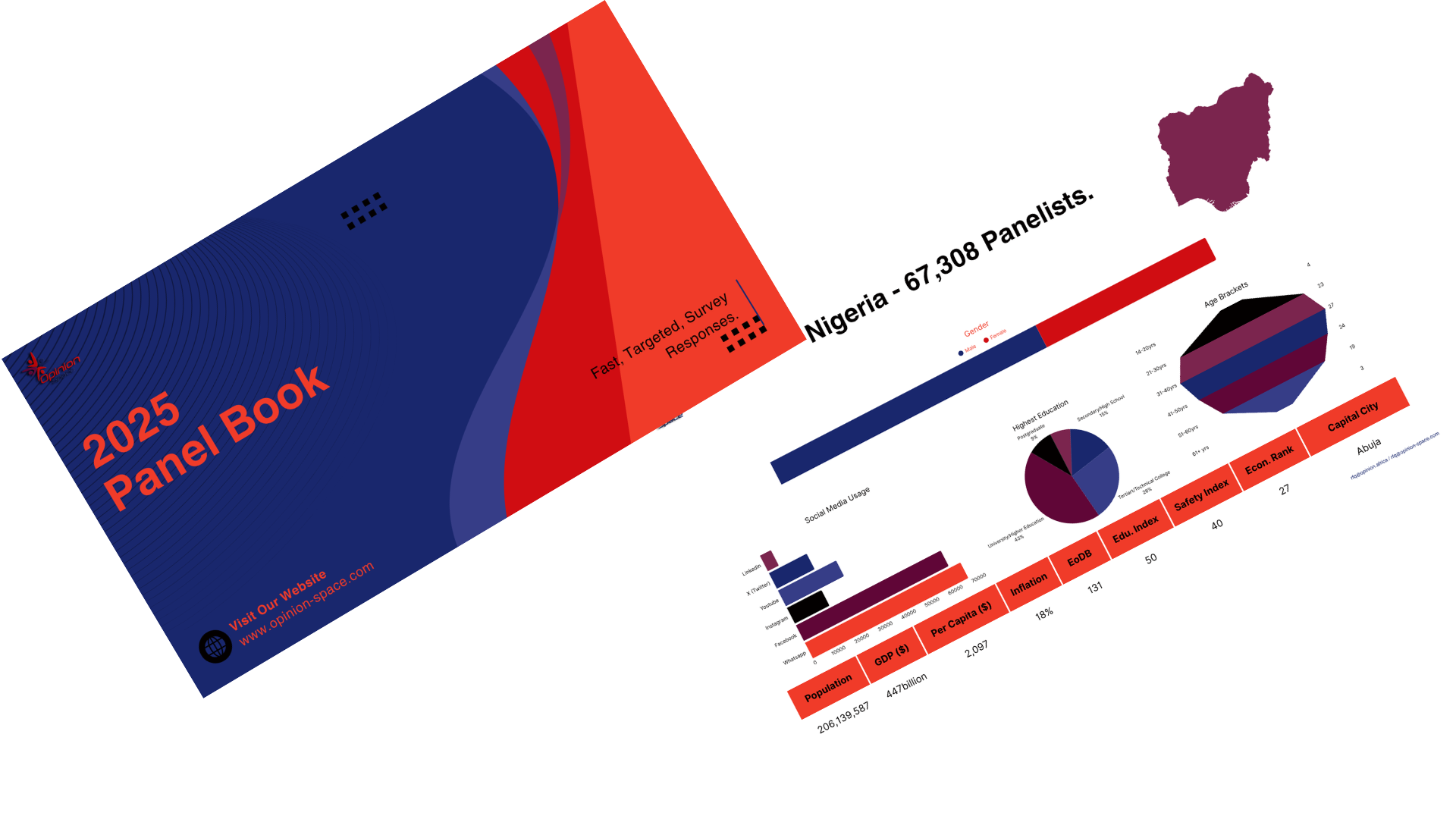
Download Our Latest Panel Book