
Tips for Conducting Customer Interviews

Tips for Conducting Customer Interviews
Customer interviews are one of the most powerful tools for understanding user needs, validating assumptions, and uncovering opportunities. While analytics show what people do, interviews reveal why they do it — and those insights can shape product strategy, messaging, features, and overall direction.
But not all interviews produce useful insights. The quality of the conversation depends heavily on how you prepare, the questions you ask, and how you listen. Whether you’re a founder, product manager, or researcher, mastering customer interviews will dramatically improve your decision-making.
This guide walks you through practical tips for conducting customer interviews that yield rich, honest, and meaningful insights.
Start With Clear Objectives
Before scheduling interviews, define exactly what you want to learn.
Ask yourself:
- What assumptions am I trying to validate?
- What part of the customer journey am I exploring?
- Which segment am I focusing on right now?
- What decisions will this interview help me make?
Clear objectives keep the conversation focused and prevent you from drifting into unrelated topics.
Recruit the Right Participants
Talking to the wrong people leads to misleading conclusions. Strong interviews depend on speaking with participants who genuinely represent your target audience.
Look for participants who:
- Experience the problem you’re solving
- Recently attempted to solve it
- Belong to your ideal customer segment
- Match the behaviors you’re studying
Avoid interviewing people who fit only demographic profiles but lack the relevant experience or need.
Prepare a Conversation Guide — Not a Script
Your goal is a natural discussion, not a survey. A good conversation guide includes:
- A warm-up question
- Core topics you want to explore
- Open-ended questions
- Follow-up prompts
- A closing reflection question
Avoid scripting every line. Flexibility allows you to follow interesting threads and unexpected insights.
Ask Open-Ended Questions
The best interviews encourage storytelling, not short answers. Avoid leading or closed questions. Instead, use open-ended prompts that help users explain their experiences.
Examples:
- “Tell me about the last time you faced this problem.”
- “How do you currently handle this situation?”
- “What alternatives have you tried?”
- “What was frustrating or confusing about that process?”
- “Why was that important to you?”
These questions let users speak freely and uncover deeper motivations.
Avoid Suggesting Answers or Influencing Responses
Your role is to learn, not to pitch or steer. Avoid questions like:
- “Wouldn’t it be easier if…?”
- “Do you think this feature would help?”
- “Don’t you think the current system is bad?”
These questions bias the participant. Neutral phrasing encourages honesty.
Better alternatives include:
- “How do you feel about the current solution?”
- “What challenges come up when you use it?”
- “What stands out to you?”
Let users guide the direction of insights.
Dig Deeper With Follow-Up Questions
Follow-up questions are where the real insights emerge. Use these to unpack emotions and motivations.
Useful prompts:
- “Why was that important?”
- “What led you to choose that option?”
- “What were you expecting to happen?”
- “Can you walk me through that step-by-step?”
- “How did you feel when that happened?”
Follow-ups move beyond surface-level answers into actionable insight.
Encourage Storytelling and Real Examples
People’s memories are clearer when they describe real events, not hypotheticals.
Ask them to recall:
- The last time they used a product
- The last time they faced the problem
- A recent decision-making moment
- A specific incident that triggered frustration
Stories reveal behavior — and behavior is more reliable than opinion.
Listen More Than You Talk
A great interview is 80% listening, 20% asking questions. Avoid filling silences or rushing responses. Let pauses breathe — participants often add valuable details if given space.
As the interviewer:
- Stay curious
- Give verbal encouragement (“Mm-hmm,” “Go on”)
- Avoid defending your idea
- Allow participants to contradict you
The more they feel heard, the more they share.
Observe Emotions and Behavior, Not Just Words
Pay attention to:
- Tone of voice
- Hesitation
- Excitement
- Frustration
- Body language (in video interviews)
- What they don’t say
Emotions reveal depth. When someone lights up or grows irritated, dig deeper.
Record the Interview (With Permission)
Recording helps you:
- Capture details you might miss
- Revisit tone and context
- Share insights with your team
- Quote participants accurately
- Focus on the conversation instead of frantic note-taking
Always ask for permission before recording.
Summarize Themes After Each Interview
Don’t wait until you’ve conducted many interviews to look for patterns. Summarize immediately:
- Key insights
- Memorable quotes
- Pain points
- Behaviors
- Unexpected findings
- Questions for follow-up interviews
Short summaries prevent insights from getting lost and help refine later interviews.
Look for Patterns Across Interviews
The value of customer interviews comes from identifying recurring themes, such as:
- Frequent frustrations
- Common mental models
- Repeated misconceptions
- Shared motivations
- Similar decision triggers
- Behavior clusters across segments
Patterns give you confidence that you’re solving a real, widespread problem.
Conclusion
Customer interviews are one of the most accessible and impactful research tools available. When done well, they reveal the motivations, frustrations, and behaviors that shape how people use products and make decisions. Simple conversations can uncover insights that transform your product strategy and reduce costly missteps.
By asking better questions, listening deeply, and analyzing patterns, founders and teams unlock clarity that drives smarter product decisions and stronger customer value.
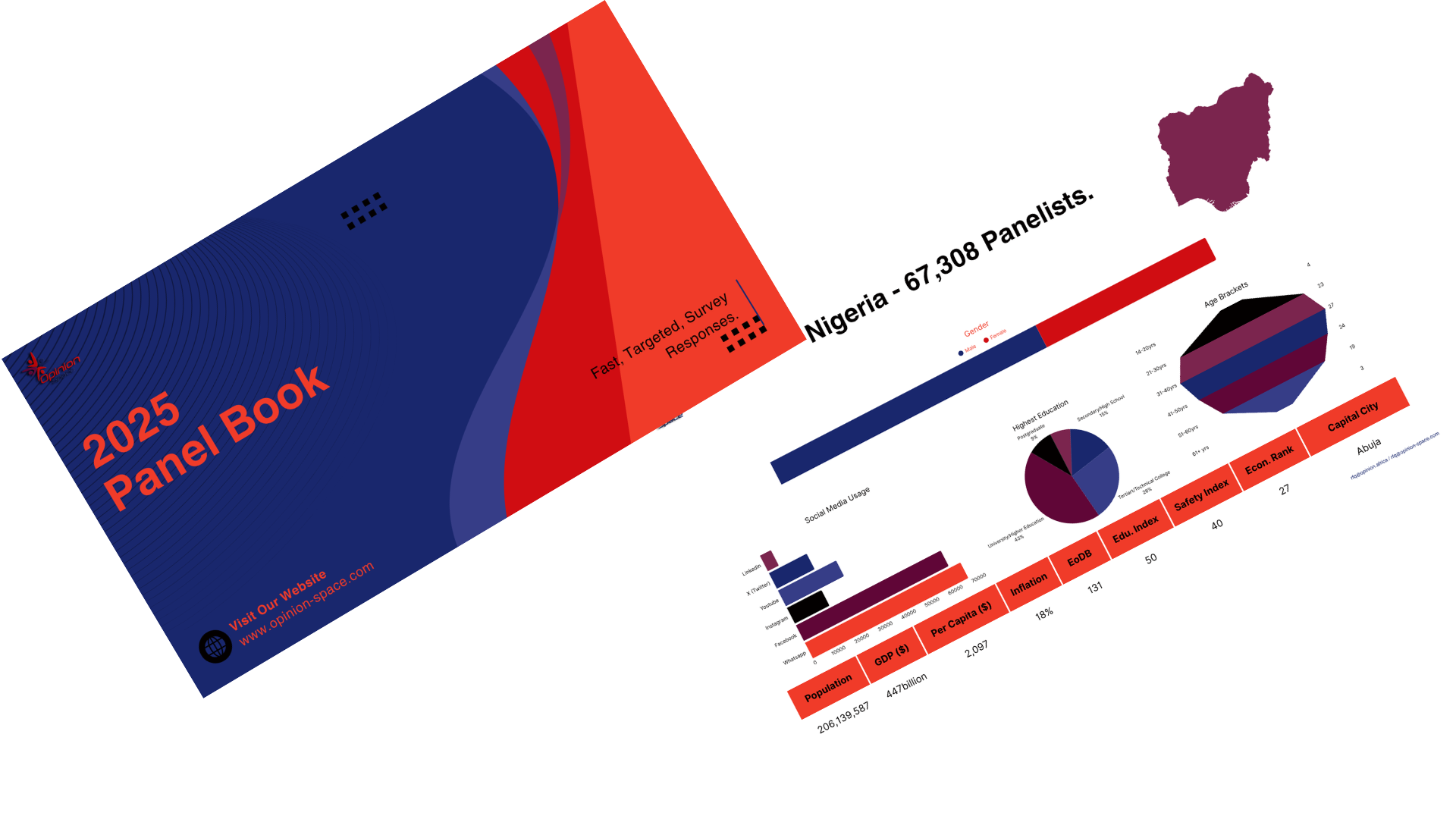
Download Our Latest Panel Book