
Understanding Your Market Using Secondary Research

Understanding Your Market Using Secondary Research
Every business — whether a scrappy startup or a growing brand — needs to understand the market it’s operating in. But you don’t always need expensive studies or months of fieldwork to start learning. Secondary research, also known as desk research, is one of the fastest, most cost-effective ways to gather insights about your industry, customers, and competitors.
It uses information that already exists: industry reports, government data, published research, online tools, and competitor materials. When done well, secondary research can reveal opportunity gaps, validate assumptions, and give you a strong foundation before investing in primary research.
This guide breaks down how to use secondary research to deepen your market understanding — without overwhelming yourself.
Start by Defining What You Need to Learn
Secondary research works best when you have clear questions guiding your search. Before you begin, outline the key things you need to understand about your market.
Common goals include learning about:
- Market size and growth
- Consumer behavior and buying trends
- Competitors and their strategies
- Industry challenges and opportunities
- Technology or regulatory changes
- Pricing norms and business models
- Demographics and geographic differences
These questions turn your research from random Googling into a structured exploration.
Use Industry Reports to Understand the Big Picture
Industry reports are one of the fastest ways to get credible, top-level insights. These documents summarize trends, growth projections, customer behavior, and competitive landscapes.
Sources include:
- McKinsey, BCG, Bain
- Gartner, Forrester, IDC
- Euromonitor, Statista
- Industry associations
- Government and regulatory bodies
- Academic publications
These reports help you understand where the market is heading and how fast it’s growing — essential for planning and positioning.
Leverage Government and Public Data
Government databases are treasure troves of free, reliable information.
Depending on your region, you can find data on:
- Population demographics
- Economic indicators
- Employment statistics
- Sector-specific performance
- Household income trends
- Business registrations
- Import/export activity
This information helps you quantify market potential and segment your audience based on factual patterns rather than assumptions.
Study Competitors Through Desk Research
Competitors often reveal more about your market than you expect. Their websites, social channels, pricing pages, customer reviews, and marketing materials reflect real strategic choices.
Through competitor desk research, you can learn:
- What problems customers complain about
- What features or benefits others highlight
- How products are packaged or priced
- What messaging resonates with customers
- How brands differentiate themselves in crowded categories
- Gaps competitors consistently fail to solve
This helps you identify your own positioning — and the opportunities they’ve missed.
Explore Customer Behavior Using Online Tools
Simple digital tools provide rich insights about how customers search, talk, and behave online.
Examples include:
- Google Trends → interest over time
- Reddit and forums → real discussions about frustrations and preferences
- YouTube comments & reviews → user reactions
- SEO tools (Ahrefs, SEMrush, Ubersuggest) → what people search for and how often
- Social listening platforms → sentiment and trending topics
These tools help you understand real customer language and priorities — useful for marketing, product decisions, and content strategy.
Analyze News, Blogs, and Thought Leadership
Articles, newsletters, and blogs often reveal:
- Upcoming industry changes
- New regulations or technology shifts
- Emerging competitors and startups
- Expert predictions and market debates
This type of information is especially useful for spotting trends early and preparing for changes that could disrupt your market.
Use Academic Research for Deeper Understanding
Universities publish studies rich in insights about consumer behavior, psychology, technology adoption, and market dynamics.
Academic research helps you explore:
- Why customers behave the way they do
- Long-term behavioral patterns
- Theoretical frameworks behind decision-making
- Case studies that mirror your industry
These insights deepen your strategic thinking and make your decisions more grounded.
Organize and Synthesize Your Findings
Secondary research often produces large amounts of information. The real value comes from synthesis — turning scattered data into insights you can use.
Group your findings into themes such as:
- Market size & opportunity
- Customer needs & motivations
- Competitor landscape
- Pricing norms
- Trends & future outlook
- Risks & barriers
- Segment opportunities
This structured view makes it easier to make decisions, communicate with investors, or prepare for deeper primary research.
Know the Limitations of Secondary Research
While secondary research is powerful, it has boundaries:
- Data may not be current
- Some reports are expensive
- Insights may be too broad for your specific niche
- Competitor information is limited to what’s publicly available
- It cannot replace direct customer input
Because of this, secondary research is best used to set the foundation before investing in interviews, surveys, or usability studies.
Conclusion
Secondary research gives startups and businesses a head start by making it faster and cheaper to understand their market. It helps you spot opportunities, challenge assumptions, refine your strategy, and enter customer conversations with context and confidence.
When combined with primary research, it becomes a powerful tool for building data-driven, customer-focused strategies.
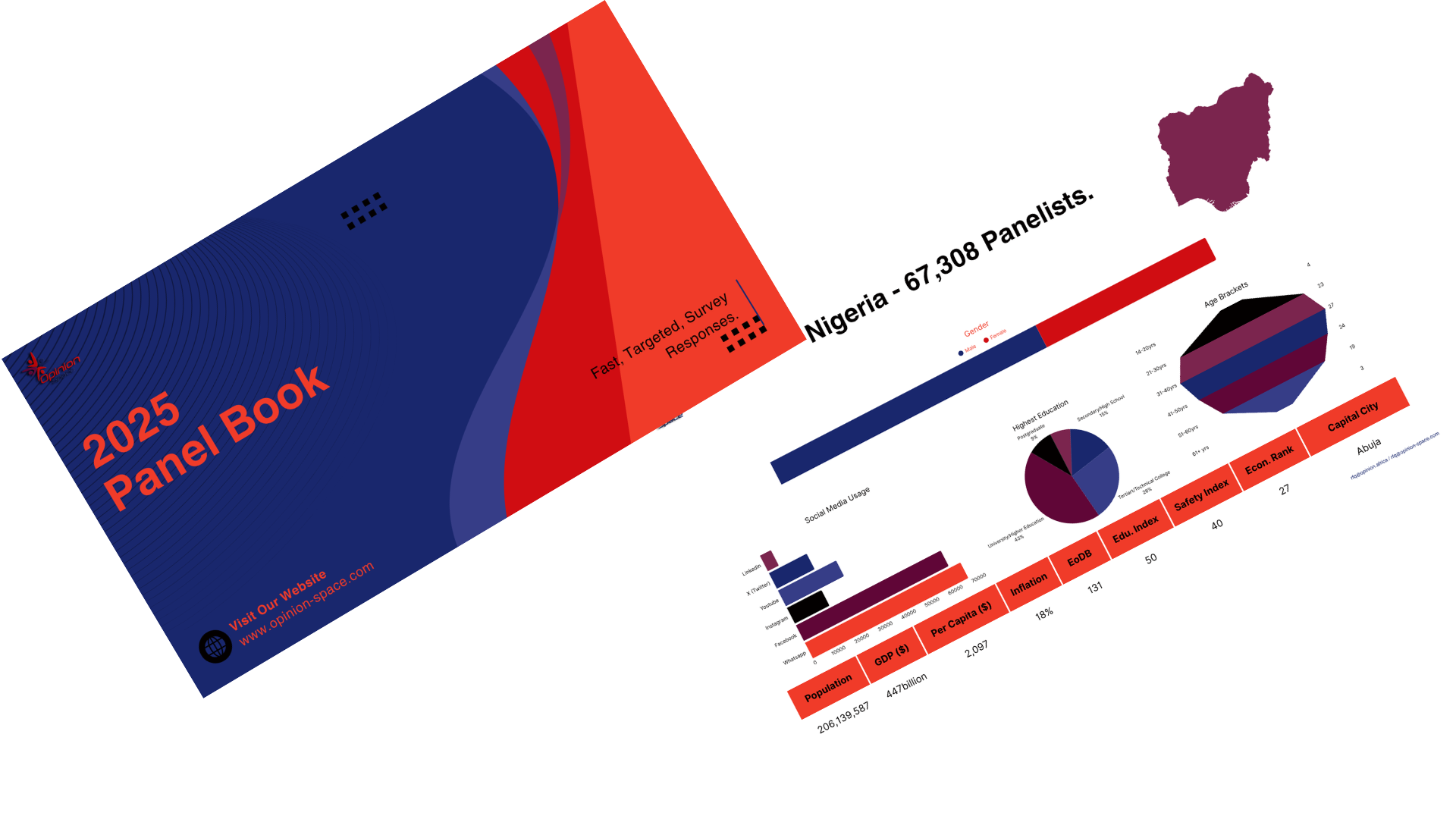
Download Our Latest Panel Book