
A Student’s Guide to Designing Questionnaires

A Student’s Guide to Designing Questionnaires
Designing a questionnaire may seem simple at first — just ask some questions and collect answers, right? But any student who has tried it knows there’s much more to it. A good questionnaire is carefully planned, clearly written, and thoughtfully structured. It guides respondents smoothly from question to question and produces data that is meaningful, reliable, and easy to analyze.
Whether you’re preparing a school project, a college assignment, or a basic research study, understanding how to design an effective questionnaire will save you time, improve your results, and make your project shine. This guide breaks the process down step by step, giving you a practical roadmap to follow.
Start With a Clear Purpose
Every questionnaire begins with a simple question:
What exactly do you want to find out?
Your study may explore attitudes, behaviors, experiences, or preferences — but your questionnaire should only include questions that help answer your research goals. Before you write anything, define the problem or issue your study is trying to address.
A clear purpose keeps your questionnaire focused and prevents you from asking unnecessary or off-topic questions.
Know Your Target Respondents
Questionnaires are most effective when you understand the people who will answer them. Think about:
- Their age group
- Their familiarity with the topic
- How much time they are willing to spend
- What type of language they understand best
A questionnaire for classmates may look very different from one designed for parents, teachers, or community members. Knowing your audience helps you choose the right tone, vocabulary, and question style.
Decide on the Type of Questions You Need
Most questionnaires use a mix of closed-ended and open-ended questions.
Closed-Ended Questions
These include multiple-choice, rating scales, yes/no questions, and checkboxes. They are easy to answer and even easier to analyze.
Examples:
- “How often do you study at home?”
- “Rate your satisfaction with the school library (1–5).”
Closed-ended questions create clear, structured data.
Open-Ended Questions
These allow respondents to write their own answers in their own words. They reveal detail, emotion, and explanations behind behaviors.
Examples:
- “What do you like most about group projects?”
- “In your opinion, how can school rules be improved?”
While rich and insightful, open-ended questions take more time to analyze, so use them sparingly.
Write Questions That Are Clear and Simple
Good questionnaire design depends on good writing. Students often make questionnaires more complicated than they need to be. Clear, simple language leads to better responses.
A strong question:
- Focuses on one idea
- Avoids technical terms or jargon
- Uses short sentences
- Avoids leading or biased wording
- Has answer options that make sense
For example, instead of asking:
“How effective are the pedagogical approaches used by instructors?”
a clearer question is:
“How helpful are your teachers’ teaching methods?”
Arrange Questions in a Logical Order
A well-structured questionnaire feels natural and easy to complete. Start with simple, general questions to warm up the respondent. As they become comfortable, you can move into more detailed or sensitive topics.
A good flow might look like:
- General questions about the topic
- Specific questions related to your objectives
- Opinions or attitudes
- Demographic questions (usually placed at the end)
Logical order reduces confusion and improves completion rates.
Avoid Common Questionnaire Mistakes
Students often struggle with issues that can easily be avoided:
- Double-barreled questions: Asking two things at once
- “How satisfied are you with your teachers and school facilities?”
- Ambiguous answer options:
- “Sometimes,” “often,” “rarely” mean different things to different people
- Too many long questions
- Assuming knowledge respondents may not have
- Leading wording that pushes respondents toward an answer
Strong questionnaires are clean, focused, and respectful of the respondent’s time.
Keep the Questionnaire Short and Engaging
Respondents — especially students — lose interest quickly when a questionnaire is too long or repetitive. Keep your survey concise and necessary. If you can answer your research question with 10 well-designed questions instead of 25, do it.
Shorter questionnaires:
- Get higher response rates
- Produce more accurate answers
- Reduce fatigue and poor-quality responses
Engagement matters just as much as length. Use simple layouts, clear fonts, and instructions that are easy to follow.
Pilot-Test Before Finalizing
Even the best-designed questionnaire benefits from a test run. A pilot test helps you identify confusing or awkward questions, missing options, or technical issues before collecting real data.
Ask a few classmates or friends to complete the questionnaire and give feedback:
- Did they understand the questions?
- Were any items too hard or too long?
- Did the flow make sense?
Fixing problems early leads to cleaner, more accurate data later.
Choose the Right Format for Distribution
Students often distribute questionnaires through:
- Google Forms
- Paper forms
- School groups or WhatsApp chats
- Classroom announcements
Choose the method that fits your audience. Digital tools are fast and easy to analyze, but paper may work better for younger students or people without easy internet access.
Conclusion
Designing a questionnaire is both a creative and technical process. It requires thoughtful planning, clear writing, and attention to the people who will respond. When you choose a focused objective, write clear questions, test your survey, and structure it logically, your questionnaire becomes a powerful tool for gathering meaningful and reliable data.
Whether you’re completing a class assignment or conducting more formal academic research, mastering questionnaire design will make your project stronger and your insights more compelling.
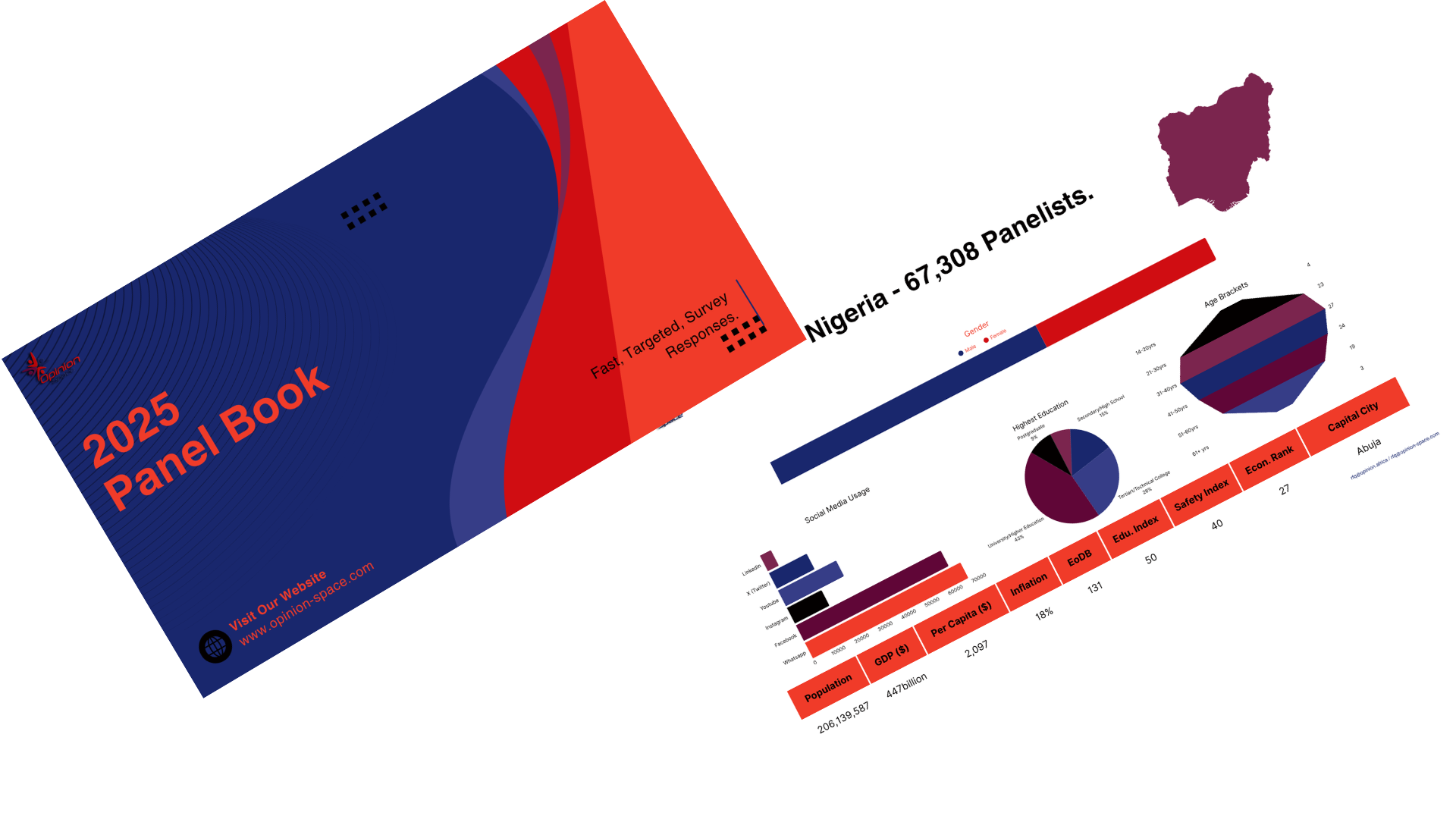
Download Our Latest Panel Book