

Types of Qualitative Research and When to Use Them
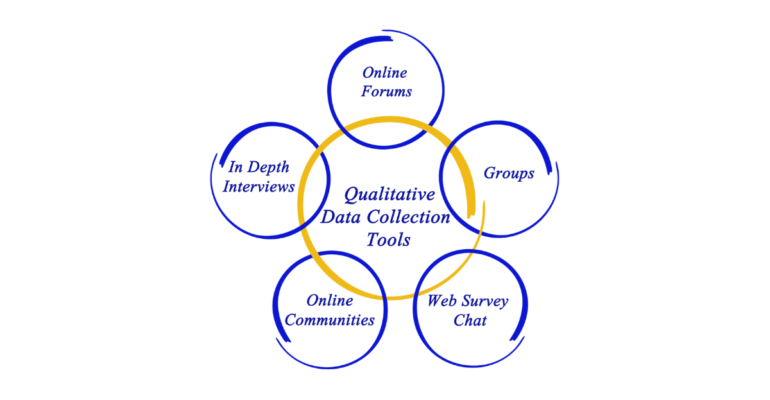
Types of Qualitative Research and When to Use Them
Qualitative research is the bridge between numbers and human experience. While quantitative research can measure how many people think or behave a certain way, qualitative research helps uncover why they do so. It is flexible, exploratory, and deeply insightful — making it ideal for understanding motivations, emotions, perceptions, and lived experiences.
Because qualitative research comes in several forms, each with its own strengths, choosing the right approach depends on the depth of insight you need, the nature of your participants, and the research questions guiding your study. This guide breaks down the major types of qualitative research and explains when each approach is most useful.
- In-Depth Interviews
In-depth interviews are one-on-one conversations between a researcher and a participant. They allow people to express themselves freely and discuss their experiences in detail.
When to Use In-Depth Interviews
Interviews are ideal when:
- You need to explore personal stories, emotions, or sensitive topics
- Your participants have diverse or unique experiences
- The topic requires privacy or confidentiality
- You want rich, detailed explanations rather than short answers
Examples include exploring customer motivations, understanding student anxiety, or discussing experiences with a particular service.
Interviews are powerful because they reveal layers of human thinking that structured surveys often miss.
- Focus Group Discussions
A focus group brings together a small group of participants — usually 6–8 people — to discuss a topic guided by a moderator. The group dynamic often sparks ideas, memories, disagreements, or consensus that wouldn’t emerge in individual interviews.
When to Use Focus Groups
Focus groups are best when:
- You want to explore shared experiences or group norms
- You need to understand how people react to each other’s ideas
- Brainstorming or co-creation is part of your goal
- You are testing new concepts, ads, or products
They are commonly used in market research, community studies, and early-stage product development.
The interactive nature of focus groups can reveal collective attitudes and social influences.
- Observational Research (Ethnography)
Ethnography involves observing people in real-life environments — homes, schools, stores, workplaces — to understand how they act naturally. Rather than asking people what they do, ethnography shows what they actually do.
When to Use Ethnography
Ethnographic methods are ideal when:
- You want to understand behavior in its natural context
- People may not accurately describe their own habits
- You want to uncover hidden needs or behaviors
- You’re studying environments like classrooms, hospitals, shops, or communities
Examples include observing how shoppers navigate a store, how students study at home, or how families use digital devices.
Ethnography provides deep contextual insight that cannot be captured through conversation alone.
- Case Studies
A case study is an in-depth exploration of a particular person, group, event, or organization. It often combines multiple data sources — interviews, observations, documents, and records — to create a detailed narrative.
When to Use Case Studies
Case studies are ideal when:
- You want to study something unique or exceptional
- You need a holistic understanding of a situation
- The topic requires real-world illustration
- You want to explore long-term processes or change over time
For example, studying how a school adopted new technology, examining a successful business model, or analyzing the journey of a social initiative.
Case studies provide depth, chronology, and rich context.
- Narrative Research
Narrative research focuses on the stories people tell. It analyzes how individuals make sense of events and how their personal stories reflect broader cultural or social patterns.
When to Use Narrative Research
Narrative approaches work best when:
- You want to explore personal identity, turning points, or life experiences
- You need detailed accounts rather than short answers
- The story itself is central to the research
- You’re examining experiences like migration, illness, trauma, or career journeys
Narratives reveal meaning, identity, and emotional depth in ways that other methods don’t.
- Phenomenological Research
Phenomenology explores the essence of lived experience — how people experience a particular phenomenon emotionally, mentally, and physically.
When to Use Phenomenology
Use it when your study aims to understand:
- What it feels like to experience grief, joy, fear, stress, or belonging
- How people perceive a particular event or situation
- The shared essence of a human experience
This method is common in psychology, education, nursing, and social sciences.
Phenomenology aims to understand experience itself, not just what happened.
- Grounded Theory
Grounded theory is a method used to develop new theories about how a process or behavior works. Instead of starting with a hypothesis, the theory emerges from the data.
When to Use Grounded Theory
Use this approach when:
- You want to discover patterns in behavior
- You aim to build a new model or explanation
- Existing theories do not fully explain your topic
- You’re studying social processes like decision-making, motivation, or group behavior
Grounded theory is systematic and ideal for developing conceptual frameworks.
- Content and Thematic Analysis
Though technically analytic approaches rather than data collection methods, these play a major role in qualitative research. Thematic analysis identifies recurring themes; content analysis quantifies patterns in text.
When to Use These Methods
Use them when:
- You have large amounts of textual data
- You want to systematically identify patterns
- You’re analyzing open-ended survey responses, comments, interviews, or documents
These methods turn complex qualitative data into structured insights.
Choosing the Right Method
The choice of qualitative method depends on:
- Your research question
- The depth of insight needed
- The nature of your participants
- Ethical considerations
- Available time and resources
For personal experiences: interviews or narrative research
For group attitudes: focus groups
For natural behavior: ethnography
For process exploration: grounded theory
For multiple data sources: case studies
For emotional or psychological experience: phenomenology
A well-chosen method strengthens your insights and makes your findings more credible.
Conclusion
Qualitative research offers a powerful way to explore human experience in all its complexity. Each type — from interviews to ethnography — opens a different window into how people think, feel, and behave. When used thoughtfully, qualitative methods provide context, depth, and understanding that numbers alone cannot capture.
For students, academics, and researchers, mastering the right qualitative approach leads to richer insights and stronger, more meaningful studies.
Download Our Latest Panel Book