
A Brand Manager’s Guide to Understanding Market Trends

A Brand Manager’s Guide to Understanding Market Trends
Market trends are the invisible forces that shape consumer expectations, brand performance, and category evolution. They influence everything from product design and messaging to distribution and pricing. For brand managers, understanding these trends isn’t optional — it’s essential for staying relevant and competitive.
A brand that fails to detect or respond to key shifts risks becoming outdated, predictable, or simply overlooked. But a brand manager who understands market trends early can lead innovation, guide strategy, and stay ahead of competitors. This guide explores the different types of market trends, the tools used to track them, how to interpret them effectively, and how to turn insights into strategic action.
Types of Trends Brand Managers Should Know
Not all trends are equal. Some shape entire industries for decades, while others fade as quickly as they appear. Understanding the nature of different trend types helps brand managers prioritize what matters most.
- Macro Trends
These are long-term, large-scale shifts influenced by economic, technological, environmental, and demographic changes. Examples include:
- Digital transformation
- Urbanization and population shifts
- Sustainability and climate consciousness
- Economic pressures like inflation or rising cost of living
Macro trends shape the context in which brands operate and often signal long-term opportunities.
- Cultural & Social Trends
These trends reflect evolving values, beliefs, and social norms. They influence:
- Identity and self-expression
- Health and wellness priorities
- Attitudes toward gender, family, and community
- Ethical consumption and social responsibility
Understanding cultural shifts helps brands stay relevant and authentic in messaging.
- Category & Industry Trends
Every category evolves differently. Category trends include:
- Market fragmentation
- New formats or product innovations
- Shifts in pricing tiers
- Private label vs. branded competition
Brands that monitor category trends can spot gaps early or reshape their role in the marketplace.
- Behavioral Trends
These trends focus on how consumer habits change over time. Examples include:
- New shopping behaviors (online-first, subscription models)
- Shifts in consumption routines
- Changes in decision-making and product evaluation
Behavioral trends often reveal emerging needs and new opportunities for innovation.
- Emerging Product Patterns
These early indicators highlight new product features, benefits, or formats gaining momentum. They may include:
- Ingredient preferences
- New packaging innovations
- Functional benefits (e.g., energy, immunity, convenience)
Tracking product patterns provides clues about where demand is heading next.
Tools and Sources for Tracking Market Trends
Brand managers don’t have to rely on intuition — there are many powerful tools that reveal how trends evolve in real time.
- Social Listening
Analyzes online conversations to identify:
- Rising topics
- Consumer frustrations
- Viral discussions
- Shifts in sentiment
It is one of the fastest ways to detect emerging cultural or behavioral changes.
- Retail & Sales Data
POS data and category reports reveal:
- Shifts in product demand
- Price tier performance
- Basket patterns
- New product winners
This helps brand managers understand what consumers are actually buying.
- Search Analytics
Tools like Google Trends uncover:
- The topics people are curious about
- How demand changes seasonally
- Early spikes in interest
Search behavior is often a predictor of future purchase trends.
- Syndicated Reports
Industry reports provide:
- Market forecasts
- Category performance insights
- Competitive benchmarks
- Expert perspectives
These help validate long-term strategic planning.
- Ethnography & In-Depth Research
Observing consumers in their natural environments reveals:
- Hidden motivations
- Rituals and routines
- Emotional drivers
This provides context behind the numbers.
- Customer Panels & Insight Communities
Ongoing communities help brands:
- Test emerging ideas
- Validate hypotheses
- Observe changing behaviors over time
They are invaluable for fast-turn insights.
Interpreting Trends: What Really Matters?
Trends are easy to spot — the challenge is knowing which ones truly matter.
- Distinguish Trends from Fads
A fad is short-lived and often hype-driven. A trend is a long-term shift with real behavioral change behind it.
Brand managers must determine:
- Does this trend align with deeper cultural forces?
- Has it sustained for months or years?
- Are consumers shifting their spending because of it?
- Assess Market Impact
Not every trend applies to every brand. The key questions are:
- Will this trend change category expectations?
- Does it influence my target audience?
- Is it large enough to drive meaningful opportunity?
- Understand the “Why” Behind the Trend
The most valuable insights are not the trends themselves — it’s the motivations behind them:
- Why is this happening now?
- What customer need does this trend reflect?
- Which frustrations or desires does it address?
Understanding the “why” helps brands respond creatively and strategically.
- Evaluate Competitive Momentum
If competitors are acting on a trend, brand managers must decide whether to:
- Lead
- Match
- Differentiate
- Ignore (but only with good reason)
Trend interpretation is about context, timing, and strategic fit.
Turning Trends Into Strategy
Trends only create value when they translate into action. Brand managers can use trend insights to strengthen multiple areas of strategy.
- Innovation & Product Development
Trends inform:
- New product ideas
- Feature updates
- Packaging innovations
- Opportunity mapping
Trend-led innovation ensures new products solve real, emerging needs.
- Brand Positioning
Trends help reposition brands to stay modern, relevant, and culturally aligned. Updating values, tone, or visuals may be guided by long-term shifts.
- Campaign Development
Marketing campaigns grounded in current cultural or behavioral trends:
- Resonate emotionally
- Feel timely and authentic
- Drive higher engagement
Trend insights make campaigns more meaningful.
- Portfolio & Category Strategy
Trends help identify:
- Categories to enter
- Products to retire
- Value propositions to strengthen
They guide smarter long-term business decisions.
- Customer Experience Strategy
By understanding evolving expectations, brands refine:
- Service design
- Digital experiences
- Loyalty programs
- Personalization frameworks
CX improvements aligned with trends increase customer satisfaction and loyalty.
Conclusion
Understanding market trends is essential for any brand manager who wants to anticipate change, shape strategy, and lead category growth. Trends reveal where consumer expectations are heading, how competitive landscapes are shifting, and where opportunities are emerging.
A brand manager who masters trend discovery and interpretation isn’t reacting to the market — they’re predicting it, shaping it, and staying ahead of it.
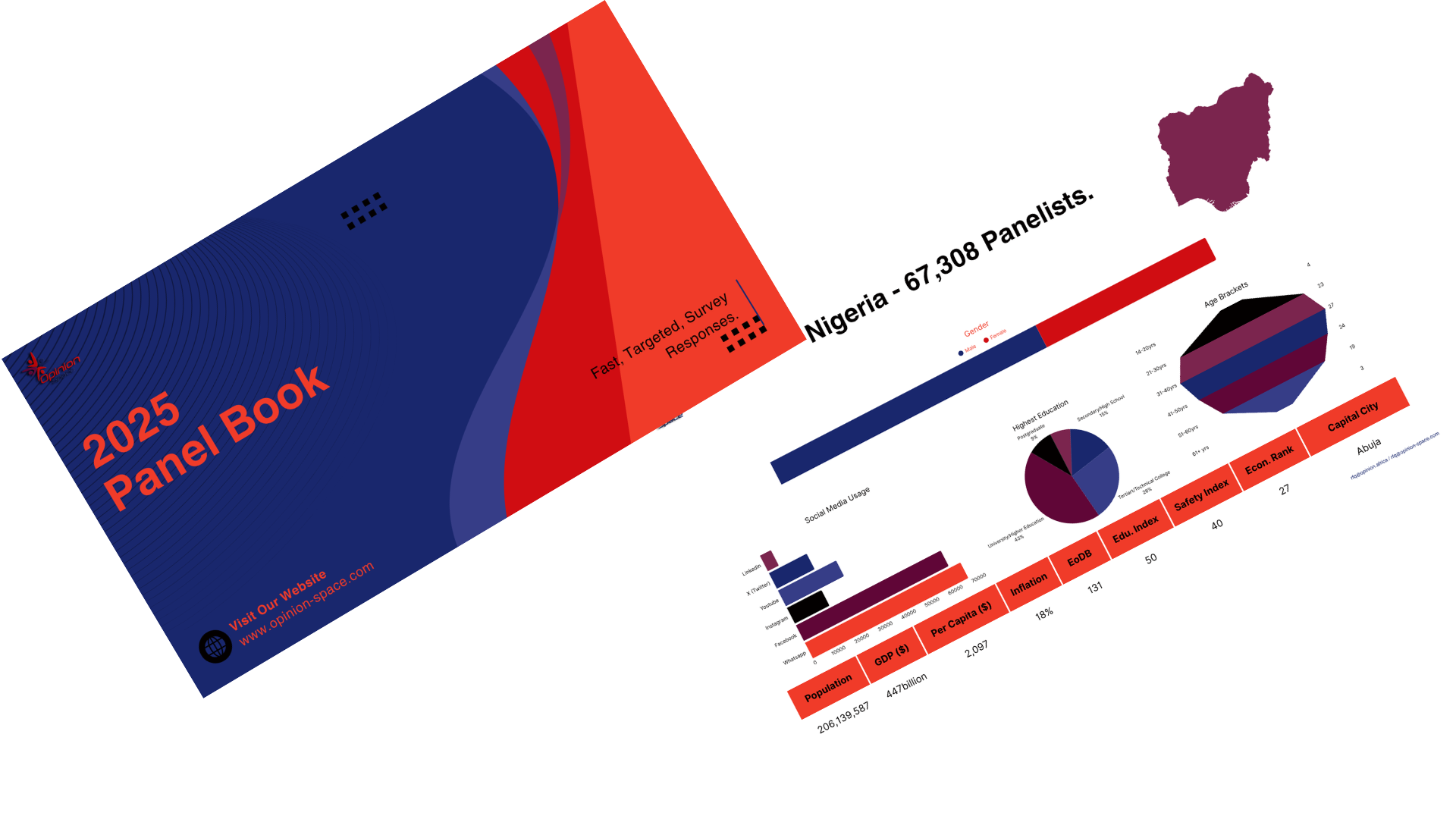
Download Our Latest Panel Book