
The Timeless Value of Customer Satisfaction Studies

The Timeless Value of Customer Satisfaction Studies
Customer satisfaction studies are one of the oldest and most enduring tools in market research — and for good reason. Even as AI, real-time analytics, and digital behavior tracking reshape the insights landscape, satisfaction research remains a central pillar of customer experience strategy. It helps brands measure performance, identify weaknesses, and build stronger relationships with the people who matter most: their customers.
This article explores why customer satisfaction studies remain timeless, what makes them uniquely powerful, and how brands can use them to fuel long-term loyalty and sustainable growth.
Why Customer Satisfaction Still Matters Today
Across every industry, customer satisfaction is directly tied to business success. Highly satisfied customers buy more, stay longer, and recommend your brand to others. Dissatisfied customers quietly churn — or worse, share negative experiences.
Understanding satisfaction enables brands to:
-
Identify friction across the customer journey
-
Improve products and services based on real feedback
-
Reduce churn by addressing issues early
-
Strengthen loyalty and increase lifetime value
-
Benchmark performance against competitors
In competitive markets, satisfaction isn’t just a “nice to have” — it’s a core driver of profitability.
What Customer Satisfaction Studies Measure
Customer satisfaction studies evaluate how customers perceive their experience across key touchpoints. Depending on the category, they typically measure:
-
Overall satisfaction with the product or service
-
Touchpoint experience, such as onboarding, purchase, or support
-
Satisfaction with functional attributes like quality, ease of use, reliability, or price
-
Likelihood to recommend, often captured through NPS or advocacy metrics
-
Expectation vs. experience gaps, identifying where brands fall short
These insights present a clear map of what customers appreciate — and what needs fixing.
Common Methods Used in Customer Satisfaction Research
Even as technology evolves, the core methods of capturing satisfaction remain consistent because they work. Common approaches include:
-
Online surveys: Scalable and quick for capturing a broad range of feedback
-
Mobile feedback tools: Ideal for capturing in-the-moment reactions
-
CATI interviews: Effective in markets with lower digital penetration
-
In-store or on-site feedback: Useful for retail, hospitality, and services
-
Email-based post-purchase surveys: Great for transactional satisfaction insights
Each method brings customers’ voices directly to the brand — in their own words.
How Satisfaction Studies Drive Business Improvement
Customer satisfaction research is more than a score — it’s a roadmap for better performance. When analyzed properly, it gives teams clear direction on what to improve and why.
Satisfaction insights help brands:
-
Identify service gaps and operational inefficiencies
-
Prioritize product or feature enhancements
-
Improve customer support and staff performance
-
Detect emerging issues before they escalate
-
Understand what customers value most in their buying experience
-
Align internal teams around improving customer experience
Brands that act on these findings consistently outperform those that don’t.
Long-Term Benefits of Customer Satisfaction Tracking
While individual surveys offer snapshots, tracking satisfaction over time provides a richer, more strategic view of customer experience.
Long-term tracking delivers:
-
Trend analysis to spot emerging issues early
-
Performance benchmarks across teams, stores, or regions
-
Predictive indicators of churn or loyalty behavior
-
Insight into the impact of operational or product changes
-
Guidance for customer experience and brand strategy
Tracking creates a feedback loop that continuously drives improvement.
The Human Element Behind Satisfaction Metrics
Automated analytics can tell you what customers do — but satisfaction studies tell you how they feel. This emotional dimension is what makes them uniquely powerful. Customer comments, explanations, frustrations, and praise reveal motivations and expectations that data alone can’t capture.
This human-centered insight is exactly why satisfaction studies remain relevant, even in an era dominated by algorithms and digital tracking tools.
Conclusion
Customer satisfaction studies stand the test of time because they deliver actionable, human-centered insights that help brands improve continuously. Whether your goal is to enhance customer experience, reduce churn, strengthen loyalty, or benchmark performance, satisfaction research provides a dependable framework for making better decisions.
In a world of rapid change, the brands that listen to their customers — and act on what they hear — always come out ahead.
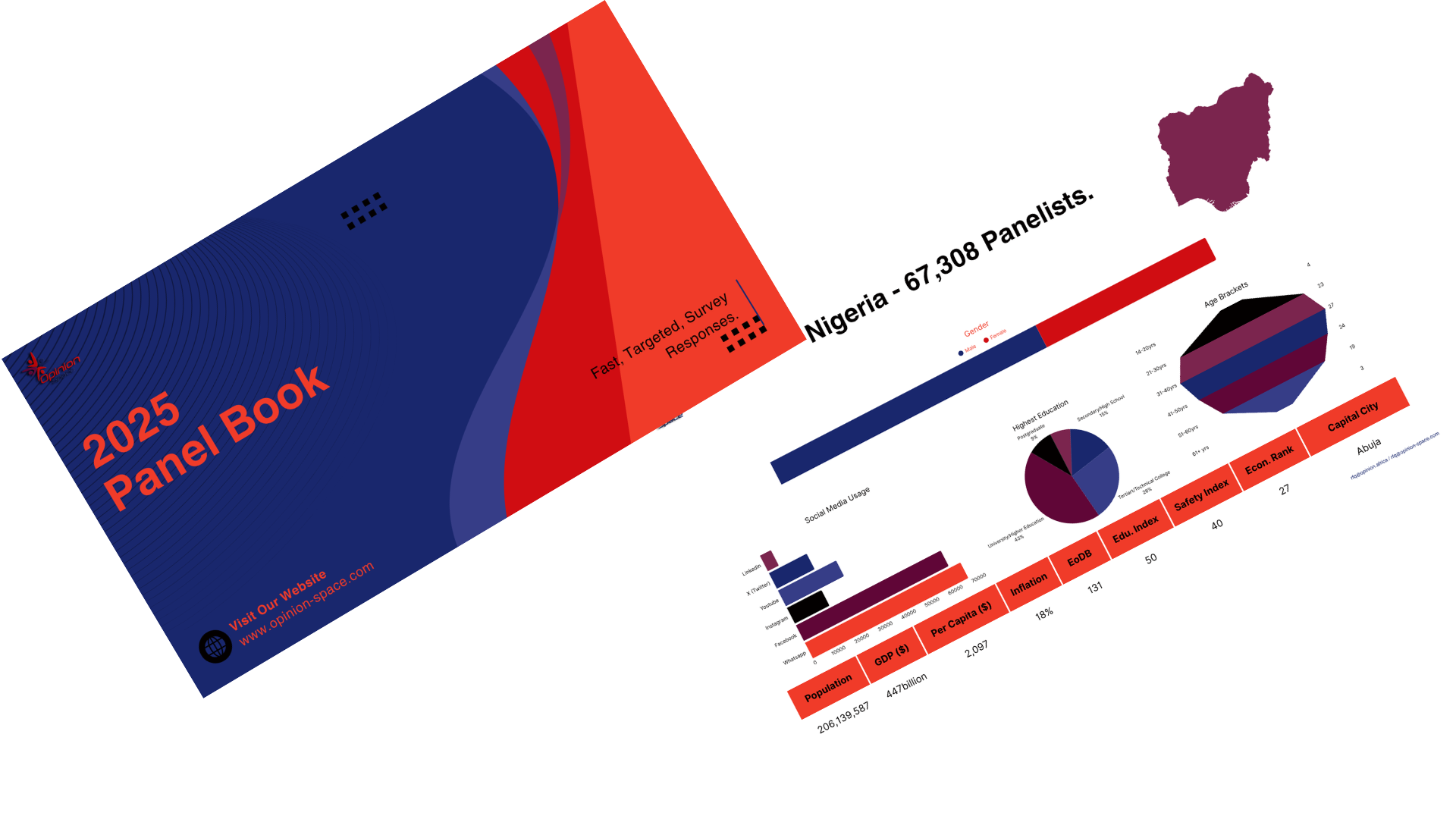
Download Our Latest Panel Book