
A Practical Guide to Pricing Research

A Practical Guide to Pricing Research
Pricing is one of the most powerful — and most misunderstood — levers in business. A great product can fail if it’s priced incorrectly, while a well-designed pricing strategy can unlock revenue, attract the right customers, and strengthen competitive positioning. Yet many founders and product teams set prices based on instinct, competitor guesses, or “what feels reasonable.”
Pricing research removes the guesswork. It helps you understand what customers are willing to pay, which features drive value, and how pricing influences demand and behavior. This guide breaks down practical methods for conducting pricing research and applying the results effectively.
Why Pricing Research Matters
Pricing has a direct impact on:
- Revenue and profitability
- Customer acquisition and retention
- Perceived product value
- Competitive differentiation
- Market positioning
Small pricing changes can lead to major shifts in revenue. Pricing research ensures those changes are grounded in real customer insight, not assumptions.
Start With Understanding Customer Value
Before testing any price points, clarify what customers truly value. Research helps you understand:
- Which problems they care about most
- Which product features matter most
- How they evaluate alternatives
- What outcomes justify paying more
- The emotional and functional value of your solution
This context ensures your pricing is based on value, not cost.
Use Qualitative Research to Explore Pricing Motivations
Early-stage qualitative research — through interviews or focus groups — helps uncover how customers think about money, value, and trade-offs. Useful questions include:
- How do you currently solve this problem?
- What tools or services do you pay for today?
- Why did you choose those options?
- What makes something “worth paying for”?
- What would make you switch?
These conversations uncover psychological drivers behind willingness to pay.
Key Pricing Research Methods
Once you understand value, use structured research methods to identify optimal price points.
- Van Westendorp Price Sensitivity Meter (PSM)
A simple and highly effective method for early pricing exploration. It asks four questions:
- At what price is the product too expensive to consider?
- At what price is it getting expensive but still acceptable?
- At what price is it a good value?
- At what price is the product too cheap, making you question quality?
By analyzing these responses, you find the range customers perceive as fair.
Best for: New products, early-stage pricing exploration.
- Gabor-Granger Pricing Test
Respondents are shown different prices and asked if they would purchase at that price. By increasing or decreasing the price, you estimate:
- Price elasticity
- Revenue-maximizing price point
- Purchase likelihood at each level
Best for: Simple pricing structures, clear features.
Conjoint analysis helps you understand how customers value specific features — and how those features affect their willingness to pay.
It reveals:
- Which features drive the most value
- Which combinations people prefer
- Ideal trade-offs between price and features
- The optimal package structure
Best for: Multi-feature products, SaaS, bundles, tiered pricing.
- Van Westendorp + Feature Prioritization
Combining PSM with importance ratings gives a clearer picture of:
- Value drivers
- Perceived price ranges
- Pricing justified by key features
This hybrid approach is cost-effective and powerful for early-stage startups.
- Market Simulation and Demand Modeling
After collecting pricing data, simulations help you predict:
- Revenue at different price points
- Market share shifts
- Impact of competitor pricing
- Sensitivity across segments
This allows you to test scenarios without real-world risk.
Segment Pricing Based on Customer Types
Not all customers value your product equally. Pricing research often reveals:
- High-value segments willing to pay more
- Budget-conscious segments
- Enterprise vs. consumer sensitivities
- Differences across regions or industries
Segmented pricing ensures you capture value appropriately without alienating key groups.
Testing Price Communication and Positioning
Pricing isn’t only about the number — it’s also about how you present it. Research helps test:
- Bundle descriptions
- Package names
- Payment terms
- Discounts and promotions
- Free trial length
- Comparison tables
- Positioning messages
Sometimes changing how you communicate price can increase conversions without lowering your price point.
Use Beta Testing to Validate Real Behavior
Actual user behavior is one of the strongest indicators of pricing viability. Beta or pilot testing can reveal:
- Drop-off at paywalls
- Trial-to-paid conversion
- Customer objections
- Whether customers choose cheaper or more expensive tiers
- Which features motivate upgrades
These insights guide final adjustments before scaling pricing.
Monitor Pricing Performance Post-Launch
Pricing research doesn’t end at launch. Track:
- Churn by price tier
- Upgrade patterns
- Discount misuse
- Customer support inquiries related to cost
- Feature adoption by tier
- Competitor price shifts
- Market changes
Pricing is dynamic — data ensures you stay aligned with customer value over time.
Common Pricing Research Mistakes to Avoid
Founders often struggle with pitfalls such as:
- Relying only on competitor pricing
- Asking customers directly “What would you pay?”
- Pricing based on internal costs rather than value
- Making products too cheap to attract “everyone”
- Overcomplicating tiers
- Avoiding price changes out of fear
Good pricing grows with insight and iteration.
Conclusion
Pricing research is one of the highest-leverage activities a startup can invest in. It reveals how customers perceive value, how features drive willingness to pay, and where the most profitable price points lie. With the right combination of qualitative insight and quantitative methods, your pricing strategy becomes clear, confident, and grounded in evidence.
When pricing is based on research—not guesswork—you unlock stronger revenue, smarter positioning, and better long-term growth.
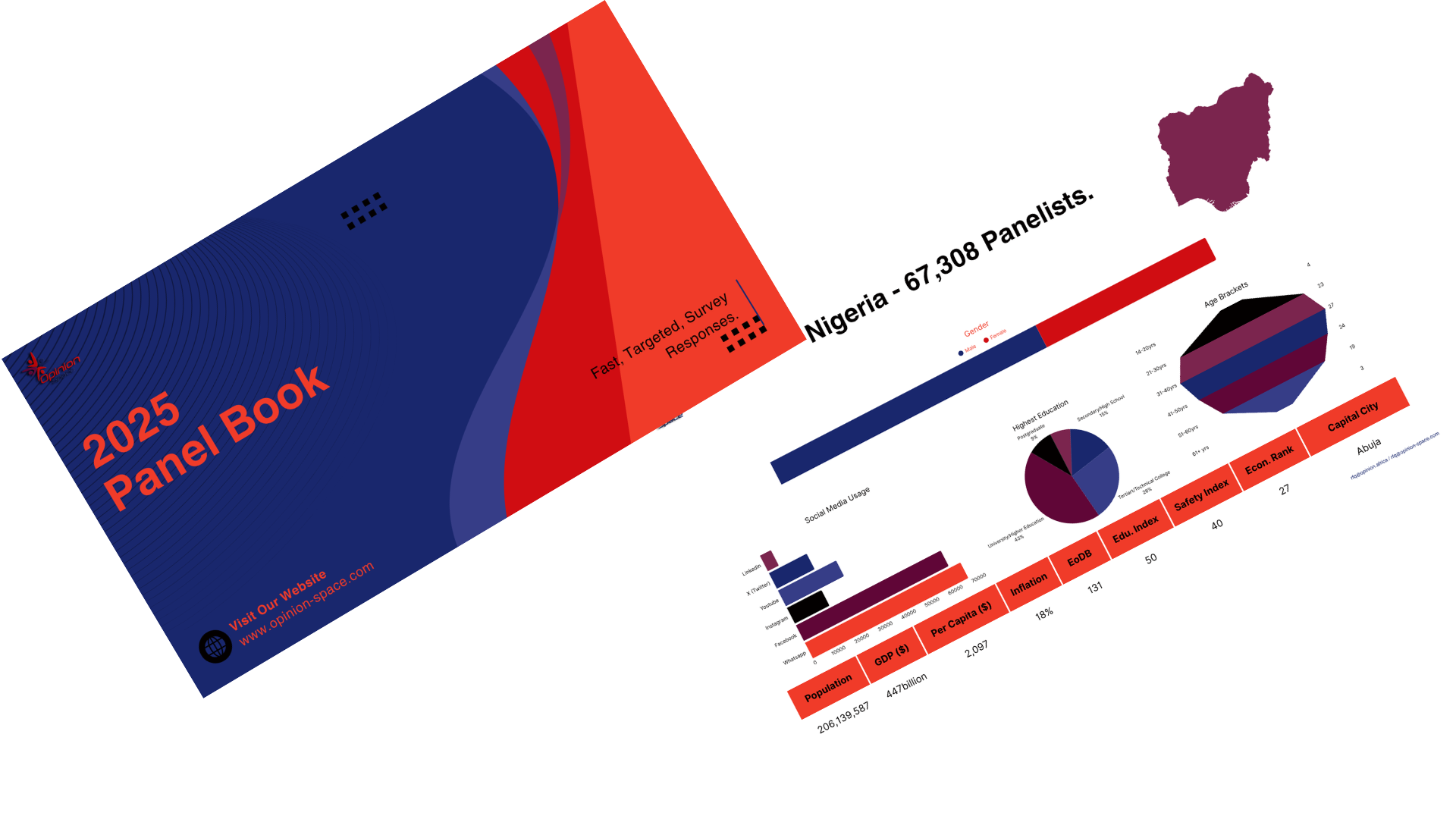
Download Our Latest Panel Book