
Tips for Conducting Online Surveys
Tips for Conducting Online Surveys
Online surveys have become one of the most popular tools for collecting data in academic projects, customer research, and social studies. They are fast, convenient, and cost-effective — allowing you to reach people regardless of location. But while online surveys offer many advantages, getting high-quality responses requires careful planning and thoughtful design.
This guide walks you through practical tips for conducting effective online surveys so you can gather reliable, meaningful data for your project.
Choose the Right Platform
Your choice of survey platform shapes your entire data-collection experience. Tools like Google Forms, SurveyMonkey, Typeform, and Microsoft Forms offer different features. Before choosing, consider:
- How easy the interface is to use
- Whether you need skip logic (conditional questions)
- The type of visuals or design options available
- Whether you need automatic charts or exports
- Your budget (many tools have free versions)
Choose a platform that matches your project’s complexity and your respondents’ level of digital comfort.
Start With a Clear Purpose
Before writing any questions, define what your survey is meant to accomplish. A clear purpose prevents unnecessary questions and keeps the survey focused.
Ask yourself:
- What am I trying to understand or measure?
- What decisions will this data help me make?
Your purpose acts as a filter. If a question doesn’t support it, remove it.
Write Short, Clear, and Simple Questions
Online respondents tend to skim. If your questions are long or complicated, they may lose interest or answer incorrectly.
Good questions are:
- Concise
- Direct
- Free of jargon
- Written in plain language
Instead of:
“To what extent do you find academic resources accessible?”
Try:
“How easy is it to access study materials at your school?”
Clear questions produce clearer data.
Use a Logical Flow
A well-organized survey improves response quality. Structure your survey so that it feels natural and easy to complete.
A strong flow might be:
- Introduction — Purpose, estimated time, and assurance of confidentiality
- General questions — Warm-up items
- Specific questions — Main data collection
- Sensitive or demographic questions — Usually at the end
- Thank you message — Show appreciation
A logical flow keeps respondents engaged from start to finish.
Limit the Length to Avoid Fatigue
Online respondents lose motivation quickly. Surveys that feel too long lead to incomplete responses, rushed answers, or drop-offs.
For most academic or general research purposes:
- Aim for 5–10 minutes
- Keep the number of questions reasonable (10–20 items)
Only include questions that directly contribute to your research goals.
Use Closed-Ended Questions Wisely
Closed-ended questions (multiple-choice, rating scales, yes/no) make the survey easier to answer and much easier to analyze.
Tips for strong closed-ended questions:
- Provide mutually exclusive options
- Cover all possible answers
- Avoid overlapping ranges
- Use “Other (please specify)” when necessary
Clear options reduce confusion and improve data accuracy.
Include a Few Open-Ended Questions for Depth
While too many open-ended questions can overwhelm respondents, including one or two allows participants to express thoughts in their own words. This can reveal insights you might not have expected.
Good places for open-ended questions:
- At the end of a section
- As optional follow-up questions
- As a final comment section
These responses add context and enrich your findings.
Pilot-Test Before Launching
Even the best-designed surveys can have issues you didn’t anticipate:
- Confusing questions
- Missing answer options
- Technical glitches
- Questions that appear in the wrong order
Pilot-testing with a small group helps you identify and correct these problems, improving response quality when you launch the full survey.
Make Participation Easy
Small design choices can significantly improve response rates. Make your survey easy to complete by ensuring:
- Mobile-friendly design
- Clear instructions
- No unnecessary required questions
- A progress bar if the survey is long
- Short load times and simple layouts
Convenience increases completion rates.
Ensure Ethical and Respectful Data Collection
Even online surveys require ethical consideration. Always:
- Inform respondents about the purpose
- Explain how their data will be used
- Keep responses confidential
- Avoid collecting personally identifiable information unless necessary
- Ask for consent when required
Ethical surveys build trust and encourage honest answers.
Promote Your Survey Strategically
If your survey requires many responses, think about where your audience is most active:
- School or class WhatsApp groups
- Email lists
- Community forums
- Social media platforms
- Student networks
Be clear about the purpose and appreciate their participation.
Monitor Responses and Follow Up When Necessary
If responses are slow, send polite reminders — but avoid spamming.
If you notice patterns like skipped questions or incomplete responses, revisit your design to identify possible issues.
Monitoring helps ensure you reach your sample size and maintain data quality.
Conclusion
Online surveys are accessible, efficient, and powerful — but only if designed thoughtfully. By choosing the right platform, writing clear questions, organizing your flow, and pilot-testing before launch, you set yourself up for strong, reliable data. For both academic projects and general research, mastering online surveys is an essential skill that leads to better insights and stronger conclusions.
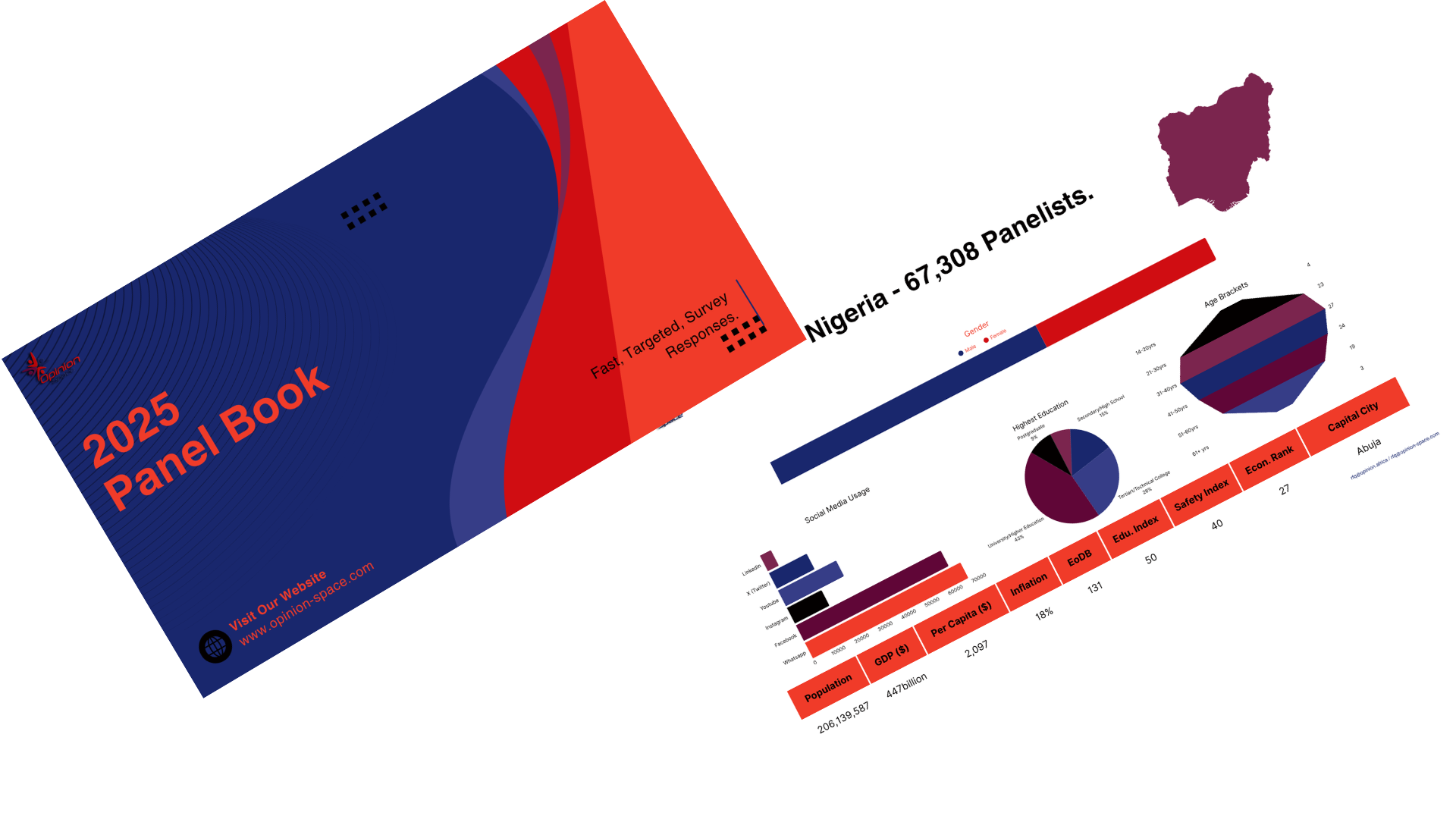
Download Our Latest Panel Book