
How Consumer Insights Drive Better Brand Decisions

How Consumer Insights Drive Better Brand Decisions
Introduction
In today’s fast-moving markets, brands cannot rely on intuition alone. Customers have more options, louder voices, and higher expectations than ever before. The brands that win are the ones that understand their customers deeply—not just what they buy, but why they buy it. This is where consumer insights become powerful. Consumer insights reveal motivations, frustrations, and decision triggers that guide everything from messaging to product innovation. When brands use insights effectively, they make smarter decisions, reduce risk, and build stronger relationships with their audiences.
What Are Consumer Insights?
Consumer insights are interpretations of customer behavior that explain the deeper reasons behind actions, preferences, and attitudes. Unlike raw data—which may show what is happening—insights uncover the emotional, psychological, and contextual factors behind a customer’s decisions.
For example:
– Data shows that 60% of customers drop off at checkout.
– Insights reveal *why*—perhaps the process is too long, the shipping cost feels unfair, or the payment options are limited.
Insights are actionable, human-centered, and always tied back to business goals.
Why Consumer Insights Matter for Better Decisions
Brands make hundreds of decisions—large and small—every year. Without insights, these decisions rely on assumptions, internal opinions, or outdated beliefs. With insights, decisions become strategic, evidence-driven, and aligned with real customer needs.
Here’s how insights support better decisions:
Reducing risk: Insights validate whether an idea will resonate before launch.
Improving product strategy: Brands know which features customers value most.
Strengthening messaging: Communication becomes more authentic and relatable.
Enhancing customer experience: Pain points and friction areas become clear.
Driving loyalty: Understanding motivations helps tailor engagement strategies.
How Brands Collect Consumer Insights
Consumer insights come from both qualitative and quantitative methods. A mix of both often produces the richest understanding.
Effective insight-gathering techniques include:
Surveys: Capture attitudes, behaviors, and preferences at scale.
In-depth interviews: Reveal motivations, emotions, and decision triggers.
Focus groups: Gather collective feedback and reactions.
Online communities: Useful for long-term feedback loops.
Customer journey mapping: Identifies friction points along touchpoints.
Social listening: Shows real-time sentiment and conversations.
Usability testing: Helps product teams understand how people navigate interfaces.
Types of Decisions Influenced by Consumer Insights
Insights influence almost every strategic decision a brand makes. A few high-impact areas include:
Product development: Identifying which features to build or remove.
Brand positioning: Understanding how customers perceive the brand relative to competitors.
Market entry decisions: Determining whether a new segment is worth pursuing.
Communication strategies: Adapting tone, message, and channels.
Pricing strategies: Understanding willingness to pay.
Customer experience improvements: Addressing pain points that hurt retention.
How to Turn Data Into Meaningful Insights
Not all data becomes insight. The transformation happens through analysis, interpretation, and synthesis. Brands need structured frameworks and skilled analysts to turn raw information into strategic direction.
To generate meaningful insights, teams should:
- Look for themes across multiple data sources.
- Connect findings to customer motivations.
- Identify unmet needs and opportunities.
- Prioritize insights that drive measurable business outcomes.
- Translate insights into recommendations, not just observations.
Common Mistakes Brands Should Avoid
Even when brands gather customer data, they often fall into common traps that limit its usefulness. Some mistakes include:
– Drawing conclusions from too small a sample.
– Ignoring qualitative context.
– Making decisions based on outdated data.
– Asking leading or biased questions.
– Treating all customers as one homogeneous group.
– Focusing on what customers say, not what they actually do.
The Future of Consumer Insights
The world of consumer insights is evolving. With AI, real-time analytics, and behavioral tracking tools, brands now have access to deeper layers of customer understanding than ever before. But despite the technology, the core remains human—interpreting emotions, motivations, and expectations.
Conclusion
Consumer insights give brands a competitive edge by revealing what truly matters to customers. When data is transformed into insight and insight into action, brands build stronger strategies, create better products, and ultimately win customer loyalty.
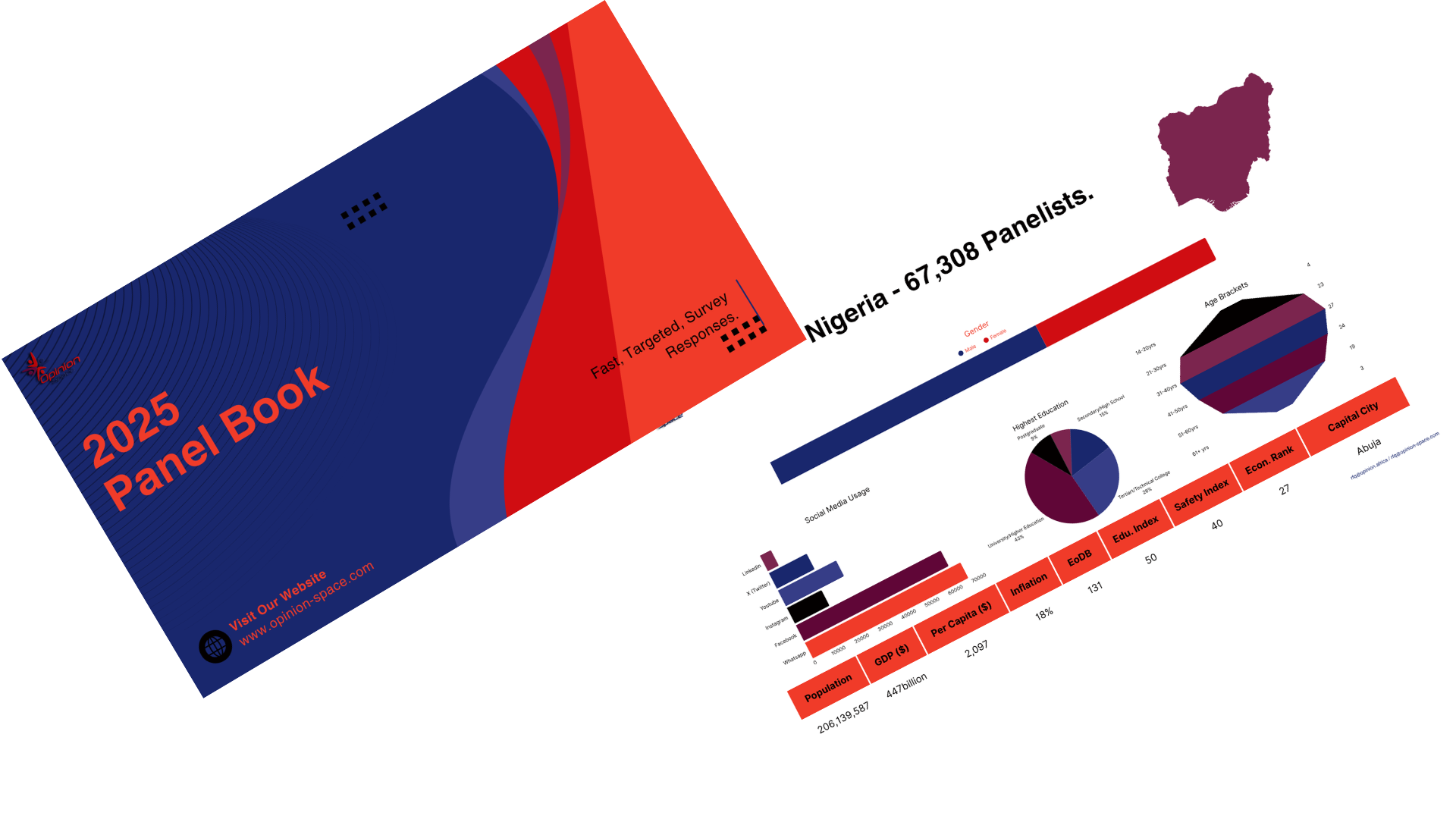
Download Our Latest Panel Book