
How Brands Can Use Concept Testing to Reduce Risk

How Brands Can Use Concept Testing to Reduce Risk
Bringing a new product, service, or campaign to life is exciting — but it also comes with risk. Many brand failures happen not because the ideas were bad, but because they weren’t tested with real consumers early enough. Concept testing helps brands avoid this trap. By evaluating ideas in their early stages, brands can understand what resonates, what confuses, and what needs refining before moving into costly development or launch.
This article explores how concept testing works, why it remains a critical research tool, and how brands can use it to make smarter, more confident decisions.
What Is Concept Testing?
Concept testing is a research technique used to gauge consumer reactions to early-stage ideas. These ideas may include:
-
New product concepts
-
Packaging redesigns
-
Service innovations
-
Advertising or creative directions
-
Pricing models
-
Brand extensions
-
New feature sets
By presenting concepts to a relevant audience, brands can assess appeal, clarity, differentiation, and purchase intent before investing further.
Why Concept Testing Reduces Risk
Every new idea involves uncertainty. Concept testing helps brands replace guesswork with evidence.
It reduces risk by enabling teams to:
-
Avoid costly product failures before they hit the market
-
Identify weak points early, when changes are easier and cheaper
-
Ensure concepts meet real consumer needs
-
Improve messaging and positioning
-
Prioritize the strongest ideas in an innovation pipeline
-
Build a solid business case backed by data
Instead of betting on assumptions, brands can move forward with confidence.
What Good Concept Testing Measures
Effective concept testing evaluates concepts across several dimensions that predict real-world performance:
-
Clarity: Do people easily understand the idea?
-
Relevance: Does it solve a meaningful problem or meet a real need?
-
Uniqueness: Does it stand out from existing alternatives?
-
Appeal: Does it capture attention and interest?
-
Purchase intent: Would consumers actually buy it if launched?
-
Perceived value: Does the price match the perceived benefits?
These insights show whether a concept is viable, needs refinement, or should be shelved.
Common Methods Used in Concept Testing
Brands use different research methods depending on the complexity of the concept and the depth of insight needed.
Quantitative Surveys
Ideal for measuring appeal and purchase intent at scale.
Qualitative Interviews & Focus Groups
Helps uncover emotional reactions and deeper motivations.
Monadic Testing
Respondents evaluate one concept at a time, reducing bias.
Comparative Testing
Participants assess multiple concepts and choose the strongest.
Heatmaps & Highlighting Tools
Reveal what stands out, what confuses, and which elements drive appeal.
A/B Testing
Used for ads, landing pages, and creative variations in digital environments.
Each method brings unique insight that helps brands understand the full potential of their ideas.
How Brands Use Concept Testing to Improve Decisions
Concept testing supports key decisions across marketing, innovation, and product development:
1. Product Development
Refine features, benefits, packaging, and positioning before production.
2. Marketing Strategy
Evaluate creative directions, taglines, and messaging frameworks.
3. Innovation Pipelines
Identify which ideas deserve investment and which should be deprioritized.
4. Brand Extensions
Test whether consumers will accept the brand in a new category.
5. Packaging Optimization
Ensure new designs are noticeable, clear, and compelling at the shelf.
When Brands Should Use Concept Testing
It’s especially valuable when:
-
Exploring new ideas
-
Redesigning packaging
-
Refreshing brand messaging
-
Testing new features or upgrades
-
Entering new markets or categories
-
Understanding how consumers perceive early concepts
If a decision carries financial or reputational risk, concept testing is essential.
Turning Findings Into Action
Concept testing insights become most powerful when brands use them to refine concepts and strategies.
Teams use the findings to:
-
Improve clarity and communication
-
Strengthen value propositions
-
Remove confusion or weak points
-
Adjust pricing or features
-
Align product and marketing teams
-
Prioritize concepts with high market potential
Insight-driven iteration leads to stronger launches and better long-term performance.
Conclusion
Concept testing is one of the most reliable methods for reducing risk and improving innovation outcomes. By validating ideas early, refining concepts based on real feedback, and focusing resources on what resonates most with consumers, brands can launch products and campaigns with confidence — not guesswork.
In a competitive world, the brands that test before they invest are the ones that win.
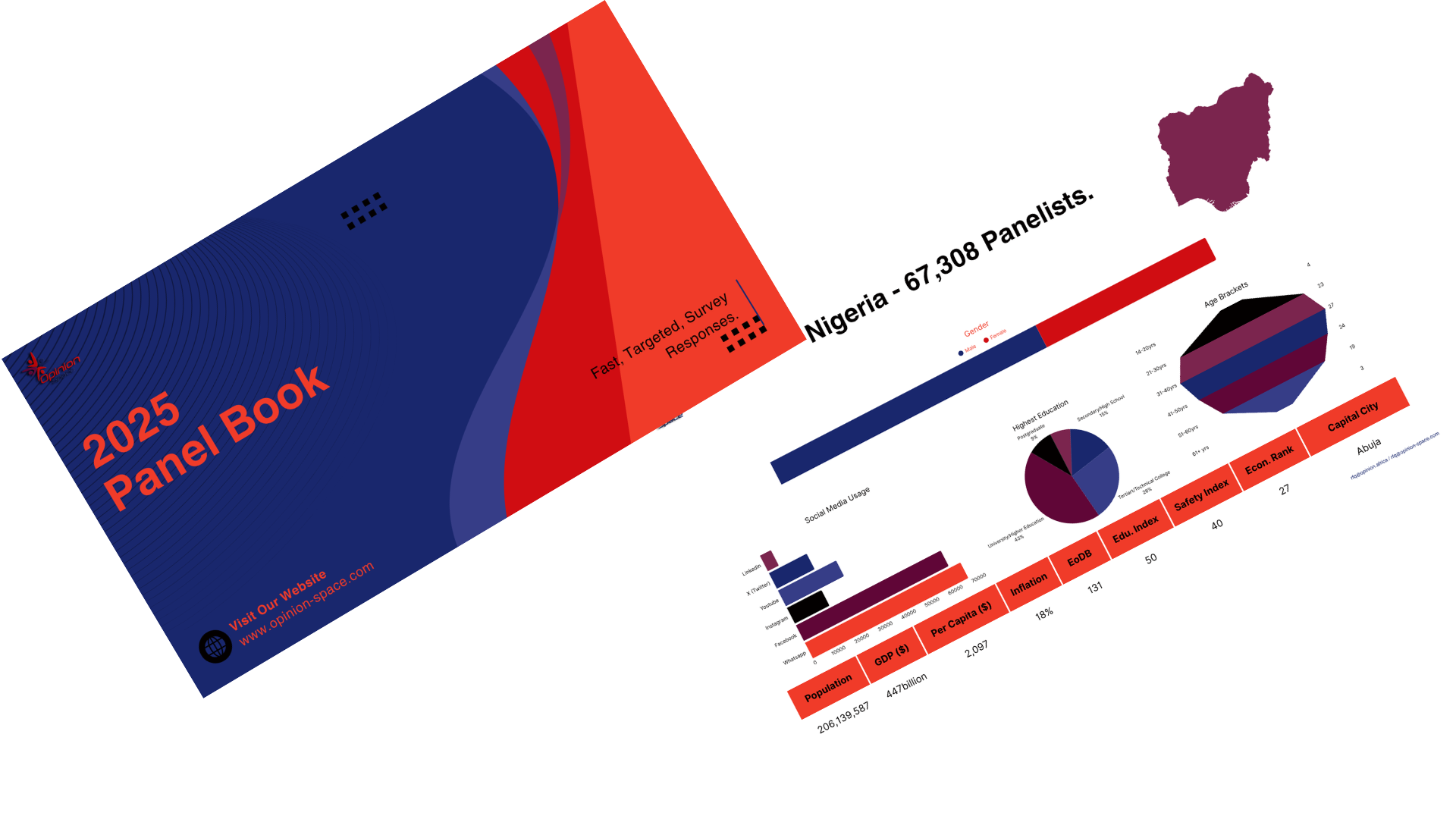
Download Our Latest Panel Book