
How Startups Can Use Research to Improve Product-Market Fit

How Startups Can Use Research to Improve Product-Market Fit
Product–market fit is the moment every startup works toward — the point where your product solves a real problem for a clearly defined group of people, and those people genuinely want what you’ve built. Achieving it isn’t about luck or intuition; it’s about understanding your customers deeply and adjusting your product until it aligns with their needs and expectations.
Research is the engine behind this process. When startups use research effectively, they learn faster, build smarter, and reduce the costly guesswork that sinks many early-stage ventures. This guide explores how research helps startups find, measure, and improve product–market fit.
Understand the Problem Before Perfecting the Product
Many startups jump straight into building features without confirming whether the underlying problem is strong enough to sustain a business. Research helps reveal:
- How painful the problem really is
- Who experiences it most intensely
- How people try to solve it today
- What frustrates them about current solutions
- What outcomes they truly want
This foundational insight ensures you’re not building a solution in search of a problem.
Use Customer Discovery Interviews to Explore Needs
Early interviews are the heartbeat of product–market fit. They help you understand customer motivations, behaviors, and frustrations long before surveys or metrics come into play.
Strong interviews uncover:
- Daily routines
- Workarounds for the problem
- Emotional triggers
- What “success” looks like for the user
- What features they value most (not what they say they want)
Interviews reveal nuance that helps you shape a product aligned with real human behavior.
Quantify Demand With Surveys
After interviews uncover patterns, surveys help you validate those insights at scale. They allow you to measure:
- How widespread the problem is
- How often it occurs
- How people prioritize solutions
- Which features are most valuable
- How much users are willing to pay
Surveys move your findings from “interesting conversations” to reliable signals.
Use Prototype and Concept Tests to Shape the Product
Product–market fit improves faster when customers react to real examples instead of vague ideas. Concept testing gives users something to respond to, whether it’s:
- Feature sketches
- Mockups
- Clickable prototypes
- Landing pages with value propositions
Research at this stage helps answer:
- Does the concept make sense?
- Is the solution compelling?
- Are users able to see themselves using it?
- What parts confuse them?
- What is missing?
This feedback guides early iteration before development costs grow.
Analyze Competitors to Find Differentiation
Product–market fit doesn’t happen in isolation — it exists within a competitive landscape. Research helps you understand:
- What customers love about existing solutions
- What they complain about
- Where competitors fall short
- What unmet needs still exist
- How saturated the market is
Customer review mining, pricing analysis, and feature comparison can highlight valuable opportunities for differentiation.
Use Behavioral Metrics to Validate Real Usage
Once your product is in users’ hands, behavior becomes the strongest indicator of product–market fit. Research here includes analyzing early usage metrics to understand what users actually do — not just what they say.
Key behavioral indicators include:
- Activation rates
- Frequency of use
- Feature adoption patterns
- Retention curves
- Churn reasons
- Referral behavior
- Customer satisfaction (NPS or CSAT)
If users are returning, engaging deeply, and recommending the product, you’re moving toward fit. If not, research will show where and why friction occurs.
Conduct Usability Testing to Improve Experience
Sometimes startups have the right idea but the wrong execution. Usability testing helps identify interface issues, confusing flows, and blockers to adoption.
Testing helps uncover:
- Where users struggle
- Points of frustration
- Tasks that take too long
- Features users misunderstand
- Elements that should be simplified
Even simple think-aloud sessions can transform your product’s ease of use and improve user satisfaction.
Segment Users to Prioritize the Right Audience
Not every user group will respond the same way to your product. Research helps identify segments that are:
- Most engaged
- Most willing to pay
- Most likely to adopt early
- Most vocal in feedback
Focusing on the segment with the strongest signals accelerates product–market fit.
Collect Ongoing Feedback to Guide Iteration
Product–market fit is not a one-time event — it’s an ongoing process. Regular research cycles help you monitor:
- Changing user preferences
- Shifts in market trends
- New barriers created by updates
- Opportunities introduced by competitor changes
Continuous feedback loops — through surveys, interviews, analytics, and sentiment tracking — ensure the product evolves with the customer.
Conclusion
Research is the most powerful tool startups have for achieving and sustaining product–market fit. By combining qualitative insights with quantitative validation, evaluating competitors, and observing real user behavior, startups can build products that solve meaningful problems and resonate deeply with the right audience.
Great products aren’t blindly built — they’re shaped by evidence, iteration, and constant learning. With the right research process, you not only find product–market fit faster, but you build a business foundation that can grow with confidence.
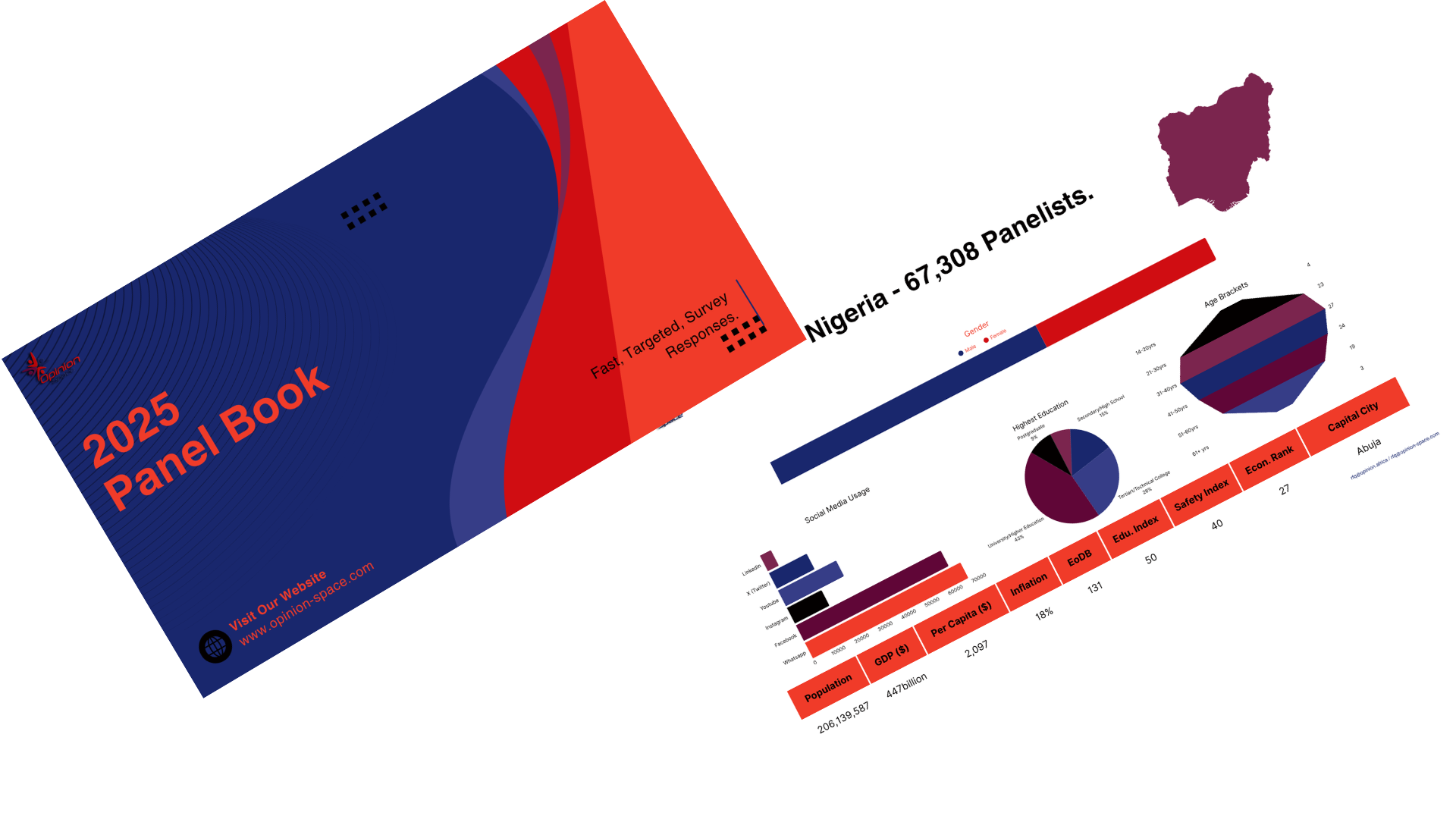
Download Our Latest Panel Book