
A Guide to Early-Stage UX Testing

A Guide to Early-Stage UX Testing
Early-stage UX testing is one of the most powerful ways to shape a product before it grows complicated, expensive, and difficult to change. At this early point in development, ideas are still fluid, assumptions are still untested, and user needs are only beginning to surface. Many founders and product teams focus heavily on features and technology, but the best products—those that feel intuitive, helpful, and trustworthy—are built by engaging users long before the first line of code is written.
This guide explores what early-stage UX testing is, why it matters, how to conduct it effectively, and the kinds of insights it can unlock for better product decisions.
Why Early-Stage UX Testing Matters
The earliest version of a product is both the riskiest and the most flexible. Decisions made at this stage—about features, flows, structure, or even the problem being solved—can determine whether the product resonates with real users or misses the mark entirely.
Early-stage testing matters because:
- Users reveal needs you didn’t anticipate.
Even with strong assumptions, it’s easy to misjudge what matters most to users. Testing uncovers real motivations, pain points, and mental models. - The cost of fixing mistakes is dramatically lower.
Changing a sketch is cheap; changing a fully developed feature is not. Early testing prevents wasted development work. - It keeps the team aligned and grounded.
Research reduces internal debate by bringing user evidence into discussions. - It reduces risk and uncertainty before scaling.
When major decisions are informed by real user reactions, the path to MVP becomes clearer—and more defensible.
What Early-Stage UX Testing Looks Like
Early-stage UX testing isn’t about polished prototypes or full functionality. It focuses on the fundamentals:
- Understanding the problem from the user’s perspective
- Exploring possible solutions through simple prototypes
- Observing how users think, interpret, and behave
- Evaluating whether the idea solves a real need in a usable way
At this stage, the goal is exploration, not validation. You’re trying to discover what should be built, not whether a finished design works.
Methods Commonly Used in Early-Stage UX Testing
Different techniques uncover different layers of insight. Early-stage UX testing typically blends qualitative exploration with light usability checks.
- Exploratory User Interviews
Before any prototypes exist, interviews help uncover how people currently solve the problem, what frustrates them, and what an ideal solution might look like. These conversations guide what the product should prioritize.
- Paper Sketch Testing
Quick sketches—on sticky notes, paper, or whiteboards—offer the fastest way to explore ideas. Users can react to flows, layouts, and interactions without the distraction of polish. It’s efficient, low-pressure, and highly revealing.
- Concept Walkthroughs
A concept may take the form of a storyboard, a written scenario, or a simple screen sequence. Users are asked to imagine themselves using the product and comment on what makes sense, what feels confusing, or what’s missing.
- Low-Fidelity Prototypes
Tools like Figma, Adobe XD, or even clickable image maps allow teams to create basic interactive flows. The purpose is not aesthetics—it’s learning whether users can navigate the core journey.
- Card Sorting & Information Architecture Exercises
When your product has multiple features or content types, card sorting helps uncover how users mentally organize information. This shapes the structure of menus, categories, and dashboards.
- First-Click Testing
This simple method checks whether users instinctively know where to click to complete a task. Early clarity is a strong predictor of later usability success.
What to Look For During Early Testing
Because early-stage UX testing is exploratory, the role of the researcher is to observe, probe, and remain curious. The most valuable insights often come from subtle signals:
- Moments of hesitation or confusion
- Comments beginning with “I expected…” or “I thought this would…”
- Tasks where users rely on guesswork
- Assumptions users carry into the experience
- Features users ignore or misunderstand
- Ideas users invent on their own (often strong indicators of unmet needs)
Your job is not to defend the design—it’s to understand how users naturally respond to it.
How Early-Stage Testing Informs Product Decisions
Insights gained from early UX testing shape product direction in meaningful ways:
Shaping the Core Value Proposition
Testing often reveals which features matter most to users and which add little value. Early feedback helps refine the “core promise” of the product.
Prioritizing the MVP
Not everything needs to be built for version one. Testing clarifies which functionalities are essential, which can wait, and which should be dropped entirely.
Improving Usability Before Development
Identifying friction, broken logic, or confusing layout choices early saves engineering time and avoids expensive rework.
Clarifying User Journeys
Understanding how users naturally approach tasks helps refine flows, reduce steps, and design interfaces that feel intuitive.
Strengthening Internal Alignment
When stakeholders see real users react to designs, disagreements soften and decisions become more objective.
How to Conduct Early-Stage UX Testing Effectively
Start With Clear Learning Objectives
Decide what you want to understand. Are you exploring motivations? Validating flow? Testing comprehension? Each requires a different approach.
Recruit the Right Participants
Even a small group—5 to 8 participants—can uncover consistent patterns. Ensure they resemble your actual target users.
Create a Safe, Neutral Testing Environment
Participants should feel comfortable being honest. Avoid leading questions, emotional cues, or feedback that suggests “right” or “wrong” answers.
Test Different Ideas, Not Just One
Exploring multiple variations helps you uncover which solves the problem best and why.
Document Everything
Record sessions (with permission), capture quotes, and track repeated patterns. Good documentation speeds up decision-making later.
Common Mistakes to Avoid
Early-stage testing is powerful, but certain pitfalls can reduce its effectiveness:
- Over-designing too early
High-fidelity visuals distract from the core idea. - Seeking validation instead of learning
Positive feedback can feel comforting—but constructive feedback is what improves the product. - Testing with the wrong audience
Testing with friends or colleagues can obscure real-world usability issues. - Asking users to predict future behavior
Focus on observation, not hypothetical claims like “Would you use this?” - Ignoring emotional reactions
Confusion, delight, frustration, and hesitation are all critical data points.
Conclusion
Early-stage UX testing is one of the most strategic investments a product team can make. It uncovers real user needs, shapes better product decisions, reduces development risk, and ensures that the product being built is the one users truly want. By engaging users early—before development becomes costly—you set the foundation for a product that is intuitive, valuable, and aligned with real-world needs.
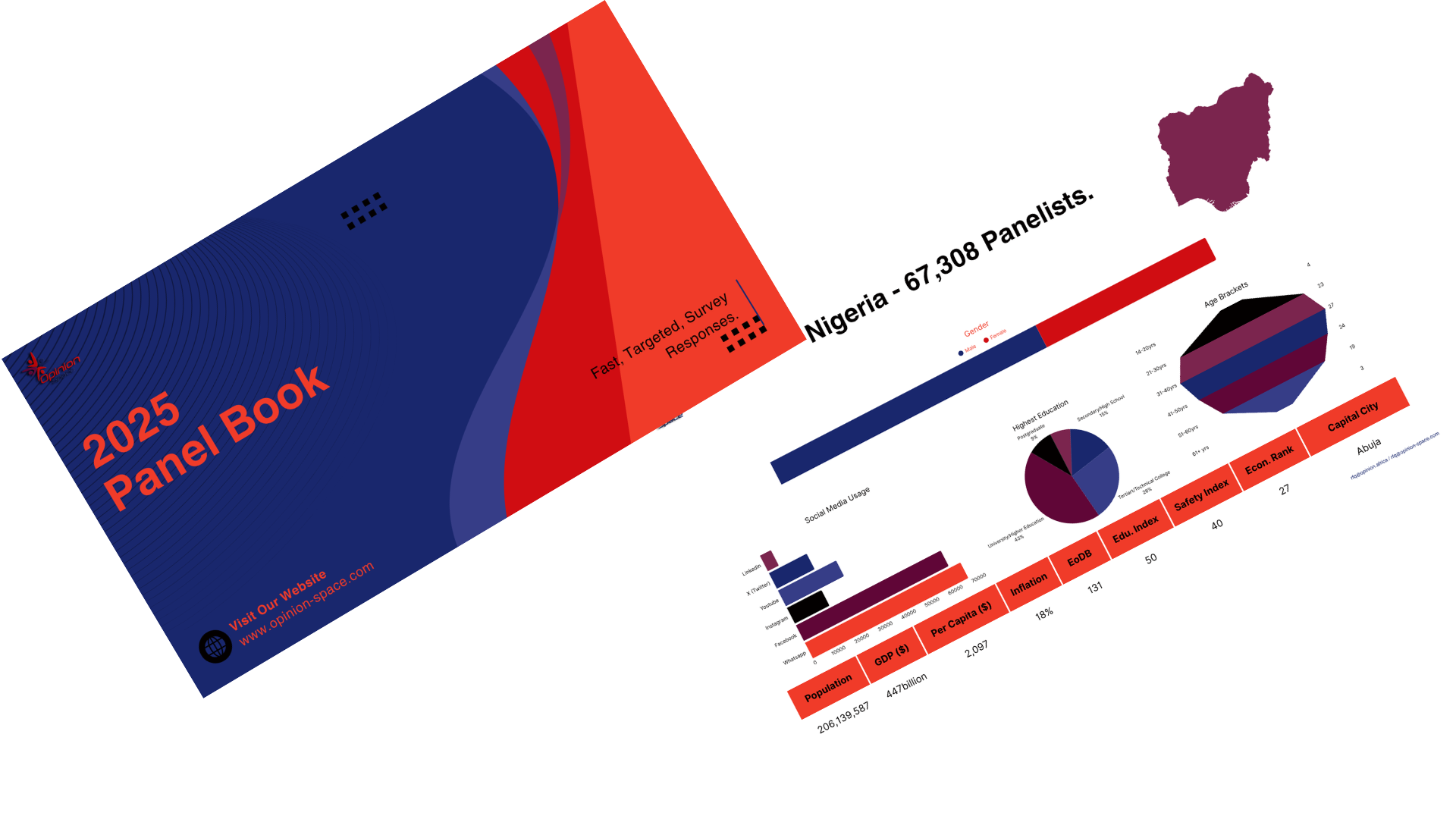
Download Our Latest Panel Book