Measuring Advertising Effectiveness: Classic Methods That Still Work

Measuring Advertising Effectiveness: Classic Methods That Still Work
Introduction
Advertising is one of the biggest investments brands make, but many struggle to measure its true impact. With so many channels—from TV and radio to social media and influencers—brands must know whether their campaigns are actually working. The good news? While digital tools continue to evolve, several classic measurement methods still provide the most reliable and actionable insights.
This article explores the most proven, widely used methods for measuring advertising effectiveness and how brands can use them to improve strategy, optimize spend, and understand real consumer response.
Why Measuring Advertising Effectiveness Matters
Advertising effectiveness is not just about counting impressions—it’s about understanding whether your message reached the right audience, changed perceptions, and drove action. Measuring effectiveness helps brands:
– Avoid wasting budget on weak campaigns.
– Identify which creative elements resonate.
– Improve media targeting.
– Track changes in awareness and recall.
– Link advertising to real business outcomes.
Classic Method #1: Pre-Testing Your Ads
Pre-testing (or copy testing) evaluates an advertisement before it goes live. It helps predict whether the creative will be effective with the intended audience.
Common pre-testing tools include:
– Concept testing: Early-stage ideas tested before final production.
– Storyboards and animatics: Testing narrative flow and clarity.
– Message tests: Ensuring the intended message is understood.
– Likeability and relevance ratings: Evaluating emotional impact.
Classic Method #2: Post-Testing and Brand Lift
Post-testing measures the real-world impact of an ad after it has launched. This includes awareness, recall, brand perceptions, and purchase intent.
Key post-testing metrics include:
– Ad recall: Do people remember seeing your ad?
– Brand recognition: Can respondents identify your brand from the ad?
– Brand favorability: Did the ad improve perceptions?
– Purchase intent: Did the ad motivate action?
Brand lift studies, which compare exposed vs. unexposed groups, are one of the most trusted tools in this category.
Classic Method #3: Tracking Sales and Behavioral Data
While surveys reveal perceptions, behavioral metrics show what consumers actually do. Linking advertising to real behavior helps determine true ROI.
Methods include:
– Sales lift analysis.
– Web analytics for digital campaigns.
– Foot traffic measurement for retail-based campaigns.
– Coupon or promo code redemption.
Classic Method #4: Media Mix Modeling (MMM)
Media Mix Modeling is a statistical approach that helps brands understand which channels deliver the most impact. It is data-heavy but incredibly powerful for large advertisers.
MMM helps determine:
– Which channels drive sales.
– Optimal media allocation.
– Seasonality effects.
– The long-term vs. short-term impact of campaigns.
Classic Method #5: Customer Feedback and Qualitative Insights
Not all insights can be measured numerically. Qualitative techniques help brands understand emotional reaction, misinterpretation, or confusion that numbers alone cannot reveal.
Useful qualitative tools include:
– Focus groups discussing the ad’s message and relevance.
– In-depth interviews exploring perceptions.
– Online communities sharing reactions in real time.
Combining Multiple Methods for Best Results
No single measurement approach can show the full picture. The most effective strategy is a hybrid method—combining quantitative and qualitative tools, pre- and post-testing, and behavioral metrics. This multi-layered approach helps brands validate both immediate campaign performance and long-term brand impact.
Conclusion
Advertising effectiveness is measurable—if you use the right tools. By relying on classic, research-backed methods, brands can reduce guesswork, boost ROI, and create campaigns that truly resonate with audiences. Whether you’re running a small digital campaign or a large integrated launch, these proven techniques provide the clarity you need to improve your creative and media decisions.
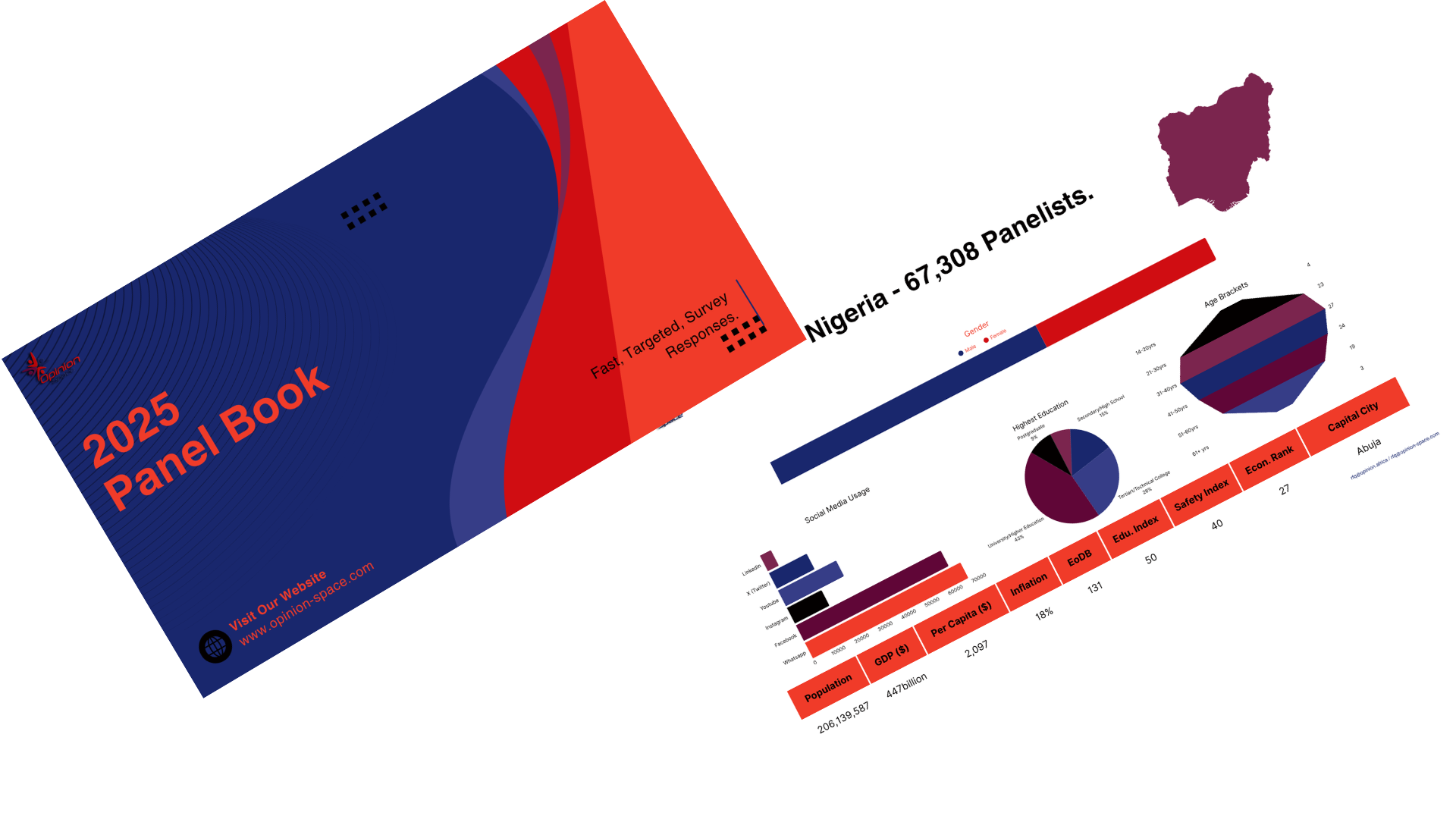
Download Our Latest Panel Book