
Understanding Response Bias and How to Minimize It
Understanding Response Bias and How to Minimize It
Every research study depends on the honesty and accuracy of the responses it gathers. But human behavior is complex, and respondents don’t always answer questions the way researchers hope they will. Sometimes they want to appear more socially acceptable. Sometimes they misunderstand a question. Other times they simply rush through a survey without much thought.
These distortions create response bias — a type of error that occurs when the answers collected don’t reflect respondents’ true beliefs, behaviors, or experiences. Left unchecked, response bias can weaken the validity of a study and lead researchers to draw conclusions that aren’t grounded in reality. Understanding what causes this bias, and learning how to minimize it, is essential for producing reliable insights.
What Is Response Bias?
Response bias refers to any systematic tendency for respondents to answer questions inaccurately. This doesn’t necessarily mean they intend to mislead; often, the bias arises unconsciously. But regardless of intent, the result is the same: data that fails to represent the truth.
Bias can appear in subtle ways — the wording of a question, the order in which options appear, the interviewer’s tone, or the respondent’s desire to avoid judgment. Recognizing these influences helps researchers anticipate weaknesses in their data collection process and build strategies to reduce them.
Types of Response Bias
Response bias isn’t a single phenomenon but a collection of patterns that can distort data in different ways.
People often want to appear polite, responsible, or socially acceptable. As a result, they may underreport behaviors seen as negative (e.g., unhealthy habits) or exaggerate positive ones (e.g., charitable actions). This bias is especially common in face-to-face interviews or sensitive topics.
Acquiescence Bias (The “Yes” Bias)
Some respondents tend to agree with statements regardless of their true feelings. This often happens with long Likert-scale surveys or when respondents want to appear cooperative.
Extreme vs. Middle Response Bias
Depending on personality or cultural background, some respondents prefer selecting the extreme ends of scales (“very satisfied,” “strongly disagree”) while others default to the middle. This affects quantitative analysis and makes comparisons difficult.
Recall Bias
People don’t always remember details accurately. When asked about past behavior, they may overestimate, underestimate, or guess, simply because memory is imperfect.
Question Order Bias
Questions asked earlier in a survey can influence how people respond later. For example, asking about economic stress before asking about brand perceptions can alter the emotional tone of the responses.
Satisficing
This happens when respondents take shortcuts — answering quickly, selecting the first option, or repeating previous choices — especially in long or repetitive surveys. They are “satisfying” the requirement to finish, rather than providing thoughtful responses.
Why Response Bias Matters
Response bias may seem like a small issue, but its impact on research can be significant. It can inflate or suppress key metrics, mask real behavior, exaggerate brand perceptions, and lead decision-makers toward strategies that don’t reflect real consumer needs.
In academic research, bias undermines validity. In commercial research, it can distort customer insights, weaken segmentation models, and mislead product teams. Good research acknowledges bias — and actively works to minimize it.
How to Minimize Response Bias
Reducing response bias requires thoughtful design across every stage of the research process — from question wording to survey length to the mode of data collection.
Craft Clear, Neutral Questions
Ambiguous or leading questions encourage inaccurate answers. Neutral wording that avoids emotional or value-laden language encourages honesty. Direct, simple phrasing reduces misinterpretation.
Ensure Anonymity and Confidentiality
Respondents are far more honest when they feel safe. Making anonymity clear — especially in sensitive topics — reduces social desirability bias and encourages more candid responses.
Use Balanced Scales and Question Formats
Balanced answer options (e.g., equal numbers of positive and negative choices) reduce acquiescence bias. Randomizing response order also helps prevent option-position effects.
Keep Surveys Manageable in Length
Long or repetitive surveys increase satisficing. Shorter questionnaires with a clear structure improve engagement and accuracy.
Avoid Complex Memory-Based Questions
Instead of asking respondents to recall distant or detailed events (“How many times did you… last year?”), use shorter timeframes or bounding questions that reduce the burden on memory.
Pilot Test Before Full Launch
Pilot testing reveals points of confusion, questions that trigger socially desirable responses, or sections where respondents may disengage. Fixing issues before full data collection prevents widespread bias.
Match Method to Topic Sensitivity
For very sensitive questions, online surveys often yield more honest answers than phone or face-to-face interviews. Self-administered modes reduce pressure and judgment.
Conclusion
Response bias is an unavoidable part of research — but it doesn’t have to undermine your insights. By understanding the psychological, methodological, and contextual factors that influence respondents, researchers can build surveys and interview protocols that encourage more accurate, thoughtful answers. The result is data that reflects reality, not assumption — and insights you can trust.
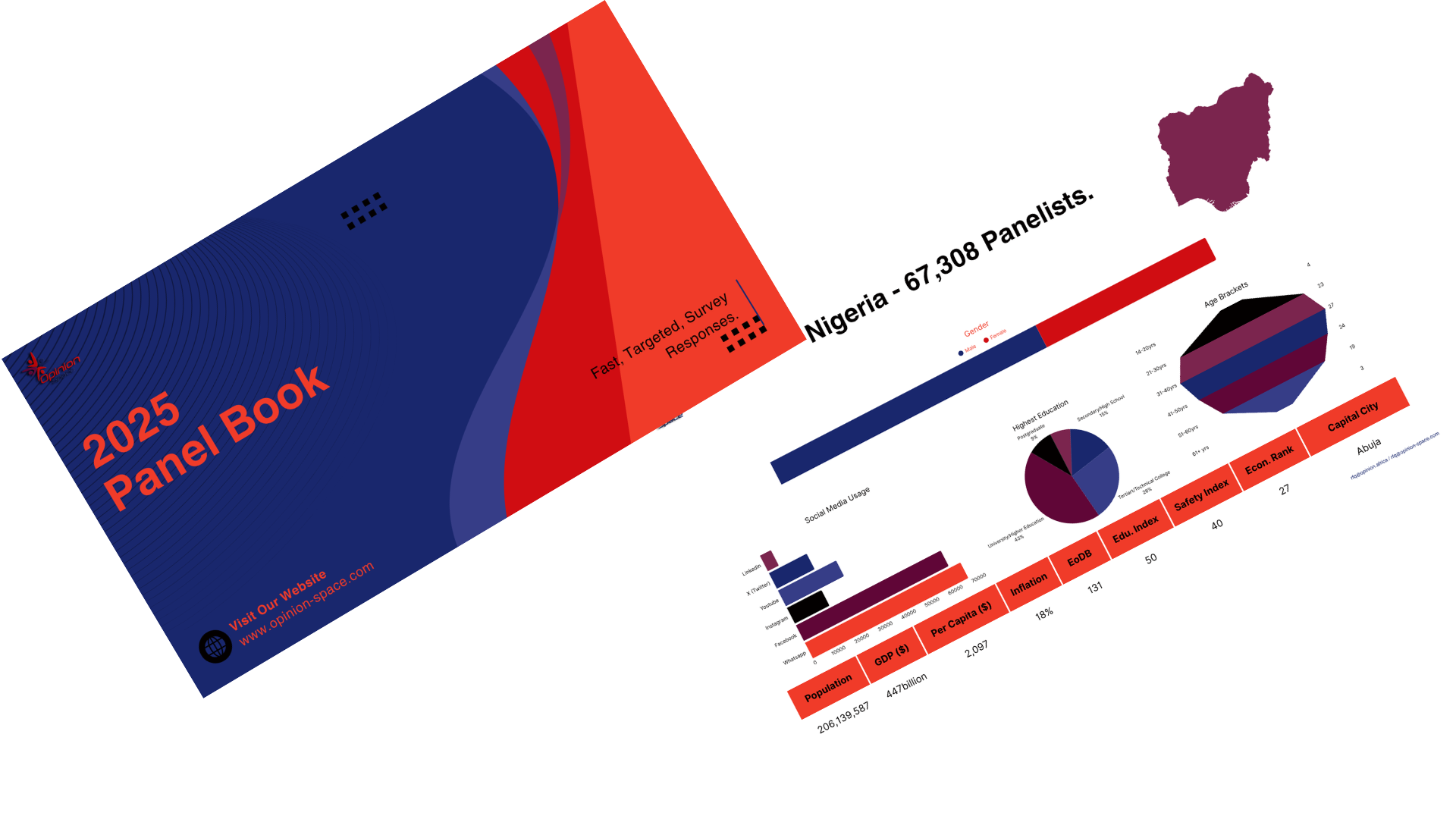
Download Our Latest Panel Book