
Understanding User Behavior Through Simple Research

Understanding User Behavior Through Simple Research
Understanding how users think, feel, and behave is at the heart of building products and services that people love. Whether you’re launching a startup, improving an existing feature, or trying to solve a persistent customer problem, you don’t need complex or expensive methods to uncover meaningful insights. Often, simple research techniques — quick interviews, observation, basic surveys, or usage analytics — provide more clarity than elaborate studies.
This guide explains how straightforward research approaches can help you understand user behavior deeply and make smarter decisions at any stage of product development.
Why Understanding User Behavior Matters
User behavior reveals what people actually do, not what they say they will do. These real-world actions tell you:
- Which features matter most
- Where users struggle or drop off
- What motivates them
- Which habits influence product usage
- Why they abandon solutions
- What emotional triggers shape decisions
Clear understanding leads to better design, clearer messaging, higher retention, and a stronger product–market fit.
Start With Observing Real User Actions
One of the simplest and most powerful ways to understand behavior is to observe users interacting with your product in real time.
Observation can uncover:
- Steps users take naturally
- Confusing workflows or elements
- Where hesitation happens
- Shortcut behaviors users create
- How context influences actions
Watching even five users can reveal patterns you never expected — patterns that often contradict your internal assumptions.
Use Short Interviews to Explore Motivations and Pain Points
Interviews don’t need to be long or formal to be effective. Even 10–15-minute conversations help you understand the “why” behind user behavior.
Ask about:
- What led them to your product
- How they currently solve their problem
- What frustrates them during usage
- What outcomes they care about
- What they expected to happen versus what actually happened
Short, conversational interviews help uncover the emotional and practical drivers behind decisions.
Send Quick Pulse Surveys for Fast Feedback
Pulse surveys — small surveys with 3–6 questions — are easy to distribute and highly effective for collecting directional insights.
Use them to gather:
- Satisfaction levels
- Feature requests
- Barriers to usage
- Preferences between design options
- Early reactions to new ideas
You don’t need a massive sample. Even feedback from 20–50 users can guide meaningful improvements.
Analyze Basic Usage Data to Identify Patterns
Even the simplest analytics tools reveal valuable insights into user behavior. Track basic actions such as:
- Login frequency
- Time spent in the product
- Most-used features
- Drop-off points
- Completion rates
- Navigation paths
These patterns help you understand what users value and where they struggle — shaping product decisions with real evidence rather than intuition.
Run Simple Usability Tests to Spot Friction
Usability testing doesn’t require a lab. You can do powerful testing by simply:
- Asking a user to share their screen
- Giving them a task
- Observing how they interact
- Encouraging them to think aloud
This method helps you see:
- Hidden usability issues
- Misinterpreted labels or icons
- Cognitive load during tasks
- Elements users overlook
- Steps that feel too long or confusing
Even watching three users can drastically improve your interface.
Collect Feedback at Key Moments
Understanding user behavior means capturing feedback when it’s most relevant — not days or weeks later.
Strategically place:
- In-app pop-ups after task completion
- Short surveys after checkout
- Feedback prompts after errors
- Onboarding feedback after first use
- Exit surveys when users cancel
Feedback collected in-context is more accurate and reveals the emotional side of user behavior.
Pay Attention to Workarounds and Hacks
Users often create their own hacks or shortcuts when your product doesn’t perfectly fit their needs. These behaviors can illuminate:
- Missing features
- Broken flows
- Underserved use cases
- Opportunities for automation
- New market segments
User hacks are signals of innovation waiting to happen.
Study Negative Behavior Too — Not Just Positive Signals
Founders often focus on what users are doing well. But understanding negative behaviors offers deeper insights:
- Why users abandon onboarding
- Why customers churn
- Why they skip key features
- Why they ignore notifications
- Why they hesitate to upgrade or pay
Challenging behaviors often reveal the biggest opportunities for improvement.
Use Behavioral Insights to Inform Product Decisions
Research should ultimately guide action. Behavioral findings help you:
- Prioritize features
- Simplify flows
- Improve onboarding
- Strengthen value propositions
- Adjust messaging
- Refine pricing strategy
- Rework UI/UX
- Focus on the right segments
When decisions are grounded in real user behavior, your product becomes more intuitive, valuable, and sticky.
Conclusion
Understanding user behavior doesn’t require complex research frameworks or large budgets. With simple tools like observation, short interviews, quick surveys, basic analytics, and usability tests, any founder or team can gain deep insight into what users truly need.
Great products aren’t built from guesswork — they’re built from watching, listening, and learning. Simple research unlocks clarity, reduces risk, and helps you build experiences people genuinely love.
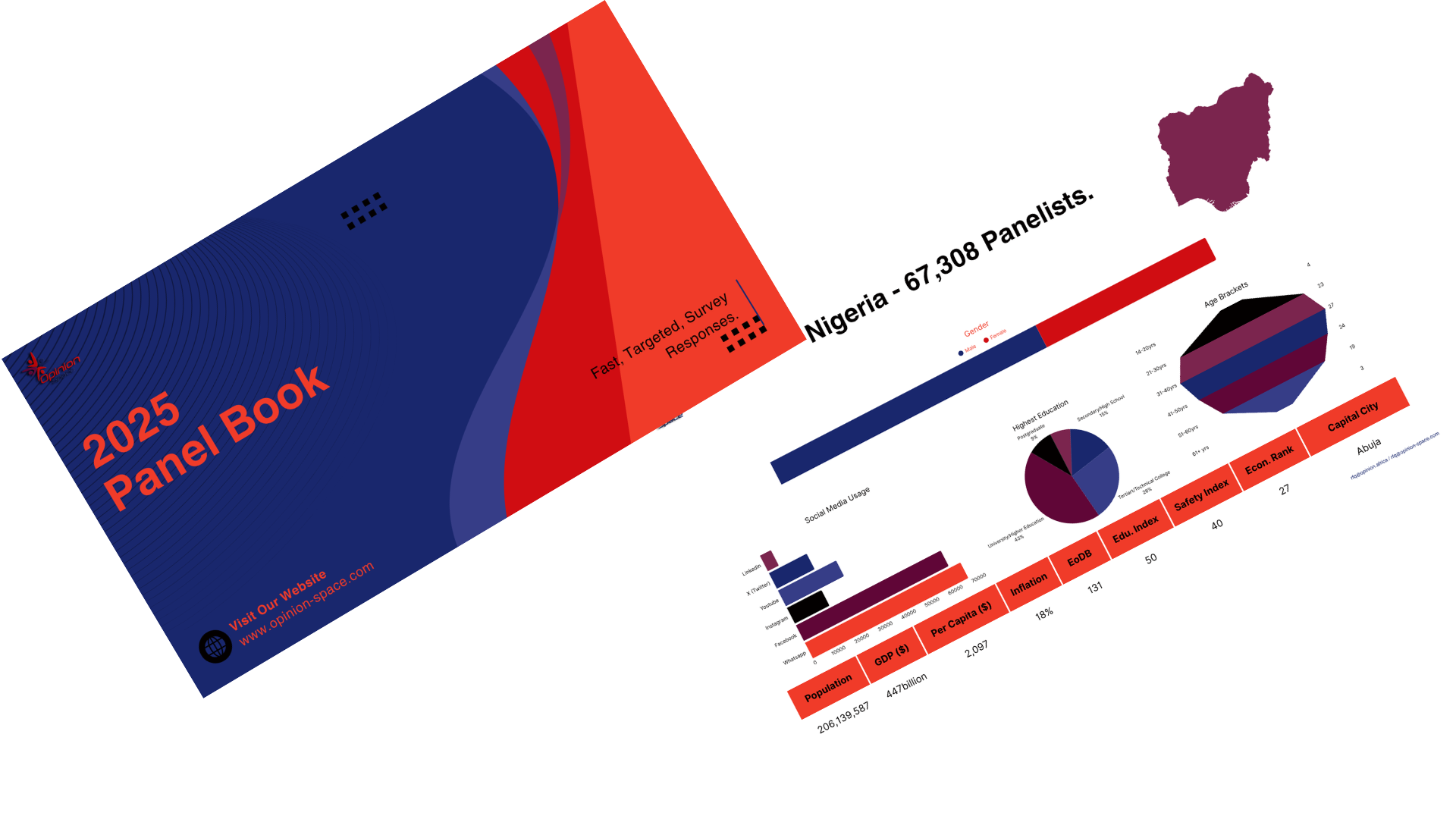
Download Our Latest Panel Book