
Using Usage & Attitude Studies to Stay Competitive

Using Usage & Attitude Studies to Stay Competitive
Usage and Attitude (U&A) studies are one of the most foundational research tools in brand and category strategy. They uncover how consumers interact with a category — what they buy, how often they use it, what they think about existing brands, and what needs aren’t being met. These insights give brands a complete picture of the consumer landscape, allowing them to innovate, reposition, refine their messaging, and maintain a competitive advantage.
What U&A Studies Measure
U&A studies dig into both what people do and why they do it, offering a rich understanding of consumer behavior. Key areas typically include:
-
Consumption habits: Usage frequency, typical occasions, and product routines
-
Purchase behaviors: Motivators, triggers, barriers, and channel preferences
-
Brand perceptions: Strengths, weaknesses, associations, and emotional connections
-
Unmet needs: Gaps in satisfaction or areas where existing offerings fall short
-
Switching behavior: Reasons for loyalty, churn, or switching between brands
When combined, these metrics create a structured map of how consumers navigate the category.
Why They Matter
U&A studies are critical because they ground decision-making in consumer reality — not assumptions. The insights help brands:
-
Reposition effectively by understanding where they sit in the minds of consumers
-
Innovate strategically with products that address real needs
-
Refine messaging to connect better with different consumer groups
-
Strengthen competitive advantage through data-driven differentiation
-
Build reliable segmentation models that inform targeting and persona development
Without U&A data, brands risk misalignment with consumer expectations and emerging category trends.
Identifying Gaps & Opportunities
One of the biggest strengths of U&A studies is their ability to reveal where opportunity exists.
Insights typically help brands identify:
-
Pain points: Areas where consumers feel frustrated or underserved
-
Whitespace segments: Groups whose needs aren’t adequately met
-
Product improvement opportunities: Features or benefits consumers want more of
-
Communication gaps: Misunderstandings or misalignments in current brand messaging
These findings guide priority-setting, ensuring resources are allocated where they’ll have the strongest impact.
Behavior Drivers
Beyond surface-level habits, U&A research explores the deeper emotional and functional drivers behind usage and loyalty.
Examples include:
-
Emotional drivers: Trust, identity, aspiration, reassurance
-
Functional drivers: Convenience, performance, value for money, ease of use
Understanding these drivers helps brands craft more compelling positioning and build stronger long-term relationships with customers.
How U&A Supports Innovation
Innovation without insight is guesswork. U&A studies ensure new ideas are grounded in real consumer needs.
They support innovation by guiding:
-
Concept development: Identifying features and benefits that matter most
-
Product optimization: Refining prototypes or existing products
-
Brand repositioning: Shifting narratives to better match consumer expectations
-
Category expansion: Understanding where adjacent opportunities exist
Using U&A data, brands create solutions with a much higher likelihood of market success.
Conclusion
Usage & Attitude studies remain one of the most essential tools for brands that want to stay relevant, agile, and competitive. By illuminating consumer habits, motivations, needs, and perceptions, U&A research provides a strong foundation for strategy, innovation, and communication. In fast-moving markets, brands that invest in U&A insights make smarter decisions — and stay one step ahead.
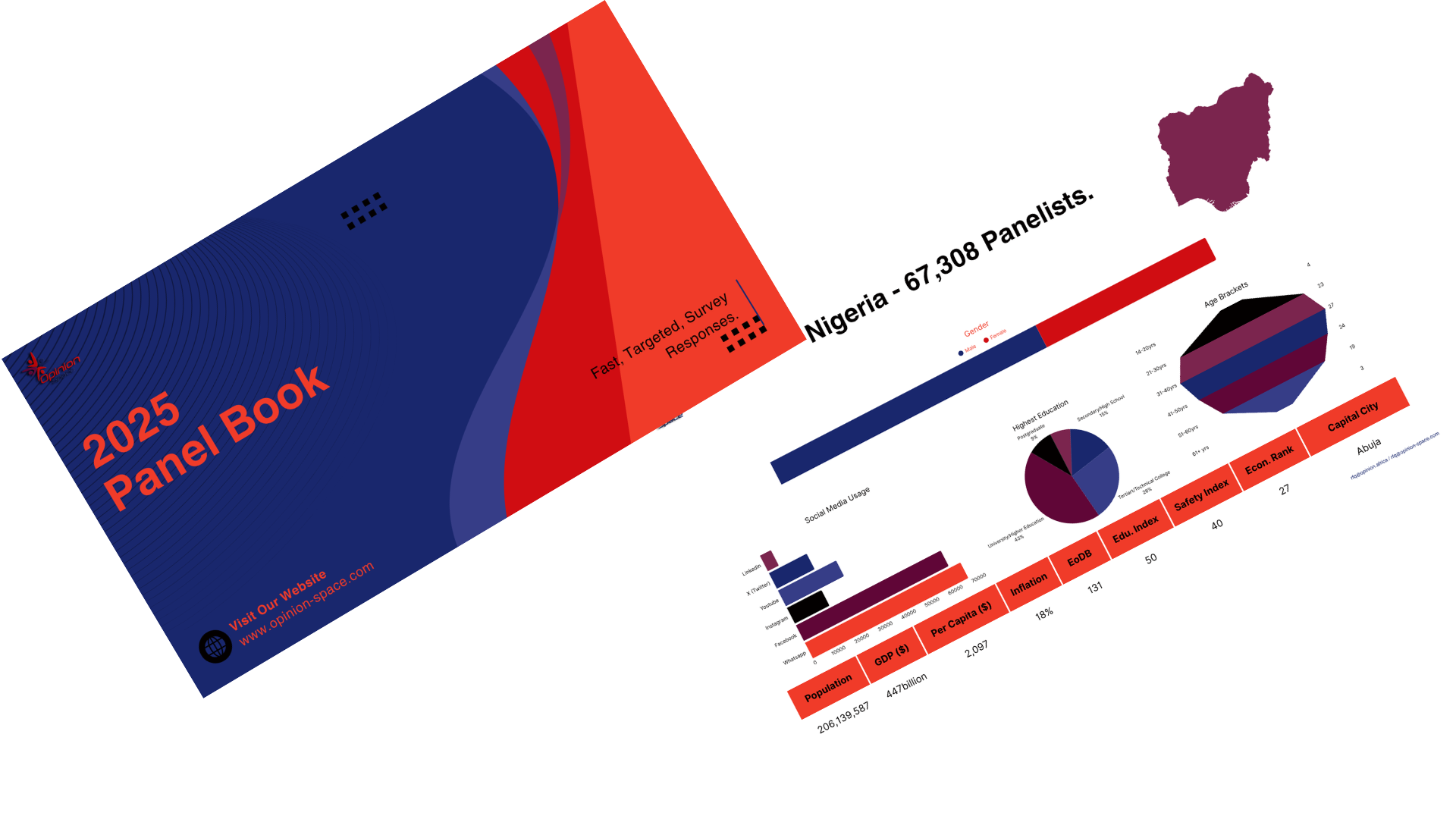
Download Our Latest Panel Book