
Crafting Winning Campaigns with Research-Backed Insights

Crafting Winning Campaigns with Research-Backed Insights
Introduction
Winning campaigns don’t happen by luck—they’re built on a solid foundation of consumer understanding, clear objectives, and strong insights. Whether you’re launching a new product, repositioning a brand, or running a seasonal promotion, the most successful campaigns are those grounded in real consumer behavior and validated through research. Research-backed insights help brands choose the right message, creative direction, timing, and channel strategy. Without them, even the most creative campaign risks missing the mark.
Why Research Is Essential for Crafting Winning Campaigns
The best campaigns are built from the customer backward. Research provides a deeper understanding of customer motivations, pain points, and expectations—allowing brands to craft messages that resonate. Research helps marketers:
– Identify real customer needs.
– Understand how people perceive the category.
– Uncover emotional triggers that drive decision-making.
– Select the most persuasive message direction.
– Test creative ideas before spending on media.
Step 1: Understand Your Audience Thoroughly
Audience insight is the core of campaign development. Brands should use qualitative and quantitative research to understand:
– Who their customers are.
– What they believe about the category.
– What motivates them emotionally and functionally.
– What barriers prevent them from choosing the brand.
– Which channels they trust most.
Persona development, segmentation studies, and customer journey mapping are invaluable tools for this stage.
Step 2: Identify High-Impact Insights
Not all insights are equally useful. A high-impact insight is one that is both true for the audience and strategically relevant to the brand. These insights help marketers unlock big creative ideas and clear messaging.
Examples of high-impact insights include:
– A common frustration customers face.
– A misconception about the product category.
– An emotional driver that competitors have overlooked.
– An emerging trend shaping customer expectations.
Step 3: Develop Messaging Anchored in Insight
Once an insight is identified, messaging becomes more targeted and persuasive. Insight-driven messages speak directly to what the audience cares about and use their language—not the brand’s internal jargon.
Effective messaging frameworks often include:
– A core message (the main promise).
– Supporting reasons-to-believe.
– Emotional and functional benefits.
– A clear call to action.
Step 4: Test Creative Concepts Before Launch
Creative testing helps brands understand how audiences interpret concepts before investing heavily in production and media. Concept tests, animatic tests, and message testing studies allow brands to compare ideas and identify the strongest execution.
Testing helps measure:
– Clarity and comprehension.
– Emotional appeal.
– Relevance.
– Memorability.
– Ability to drive action.
Step 5: Optimize Campaign Elements with Insights
Research-backed insights help optimize every stage of a campaign—not just creative development. This includes:
– Choosing the right audience segments.
– Selecting the best-performing channels.
– Determining optimal timing and frequency.
– Identifying messages that outperform others.
– Finding the right balance between emotional and rational content.
Brands that continually refine campaigns based on performance data achieve higher ROI and more sustainable growth.
Step 6: Measure the Impact with Post-Campaign Research
A winning campaign doesn’t end when media stops running. Post-campaign measurement reveals whether the strategy worked and what improvements are needed for the next campaign.
Useful tools include:
– Brand lift studies.
– Recall and recognition tests.
– Sentiment analysis.
– Sales and behavioral data.
These metrics ensure brands learn from each campaign, strengthening the next one.
Conclusion
Campaigns built on research-backed insights consistently outperform those driven by intuition alone. When brands take time to understand their customers, identify meaningful insights, test creative ideas, and measure impact, they create campaigns that resonate deeply, drive action, and deliver measurable results.
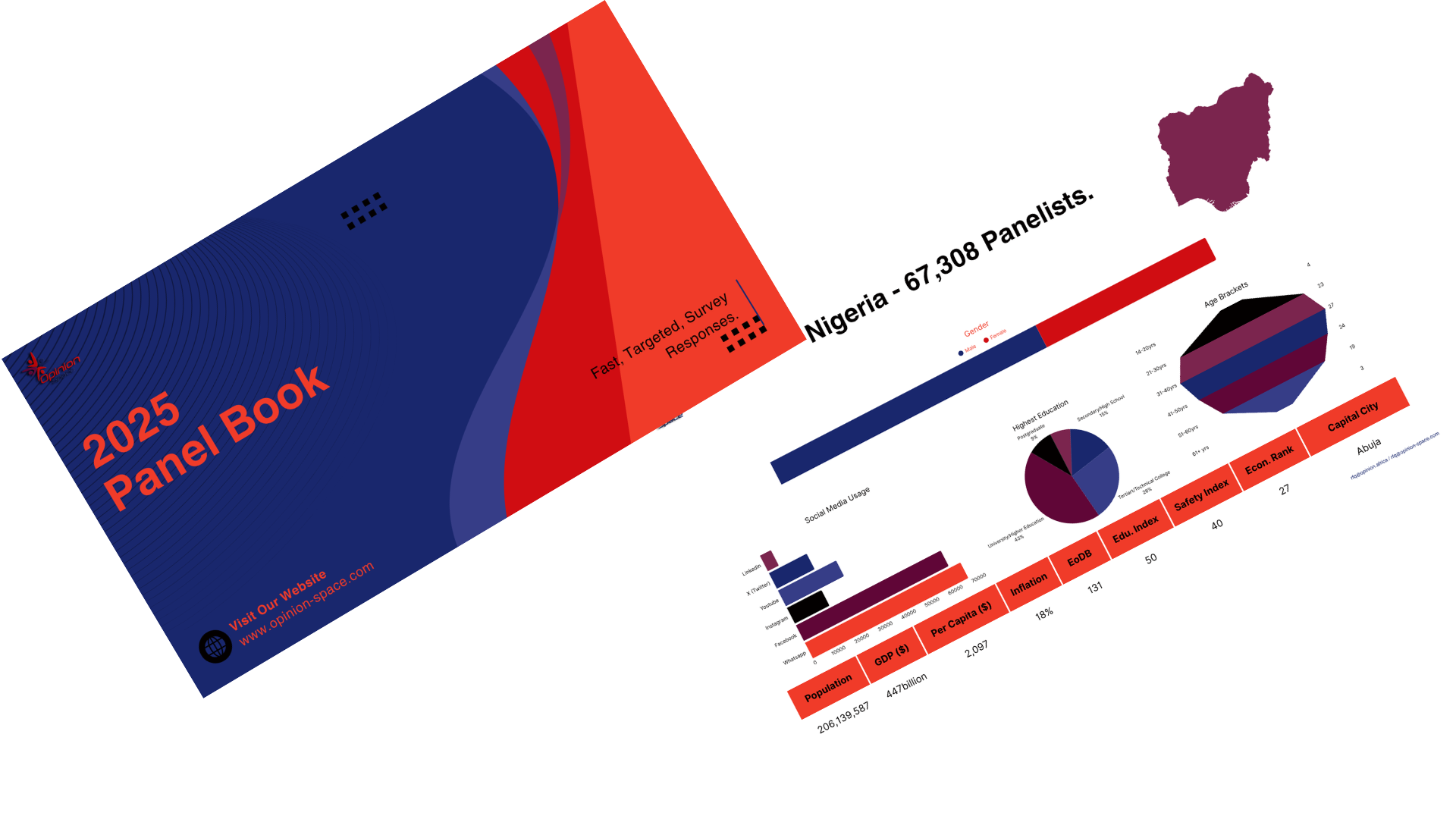
Download Our Latest Panel Book