
Building Stronger Brand Loyalty Using Research
Building Stronger Brand Loyalty Using Research
Brand loyalty isn’t just about repeat purchases — it’s about creating relationships strong enough that customers consistently choose your brand even when alternatives exist. But loyalty doesn’t grow on its own. It’s nurtured through insight, understanding, and intentional strategy.
Research gives brands the clarity they need to know why customers stay, why they leave, what drives connection, and what breaks it. By grounding loyalty-building efforts in data rather than assumptions, brands can cultivate deeper emotional attachment, smoother experiences, and long-term customer value.
This article explores how different types of research help brands build and sustain stronger loyalty.
Understanding What Drives Loyalty
Loyalty doesn’t happen magically — it happens because customers feel a specific mix of satisfaction, trust, emotional connection, and perceived value. Research helps identify what really matters to your audience.
Here’s how:
Identifying Core Motivators
Research reveals the exact reasons customers stick with a brand — whether it’s product quality, convenience, emotional resonance, or a sense of belonging.
Mapping Loyalty Drivers Across Segments
Different groups stay loyal for different reasons. Research uncovers segment-specific motivators so brands can tailor their approach.
Understanding Loyalty Barriers
Loyalty isn’t just driven by strengths — it’s also weakened by pain points. Research highlights friction points that push customers away, from poor service to unclear communication.
Knowing the “why” behind loyalty is the first step to strengthening it.
Using Satisfaction Research to Reduce Churn
Customer satisfaction and loyalty are deeply connected, but not identical. Satisfaction research shows whether the brand is meeting expectations — and where it’s falling short.
How satisfaction insights support loyalty:
-
Reveal touchpoints where frustration is highest
-
Help improve service experience and support interactions
-
Identify product issues that may cause repeat buyers to defect
-
Track gaps between expectations and real experience
-
Highlight what satisfied customers value most
By continuously monitoring satisfaction, brands catch small problems before they become loyalty killers.
Leveraging U&A Studies to Align With Real Consumer Needs
Usage & Attitude (U&A) studies go beyond satisfaction and dig into the habits, motivations, and emotional triggers behind brand use.
U&A studies help brands:
-
Understand how products fit into daily routines
-
Identify unmet needs that competitors may capitalize on
-
Explore emotional drivers that could strengthen attachment
-
Segment users by behavior and attitudes
-
Track category-level shifts that may weaken loyalty
When brands align with real needs — not assumed ones — loyalty naturally increases.
Tracking Brand Perception to Maintain Trust
Trust is one of the strongest indicators of long-term loyalty. Brand perception studies show how your audience views your brand across key attributes such as reliability, quality, ethics, and innovation.
Typical perception insights reveal:
-
Whether customers trust your brand more or less over time
-
Which attributes help or hurt your reputation
-
How you compare to competitors in the loyalty landscape
-
Whether your brand personality resonates with customers
When trust weakens, loyalty soon follows — making perception tracking essential.
Using Segmentation Research to Personalize Experiences
Loyalty grows when customers feel understood. Segmentation research helps brands tailor:
-
Messaging
-
Offers
-
Product recommendations
-
Experiences
-
Loyalty programs
-
Customer service approaches
A one-size-fits-all approach rarely builds loyalty. Personalization — grounded in segment insights — makes customers feel recognized and valued.
Optimizing Customer Journeys Through CX Research
Customer experience (CX) research maps how customers interact with your brand before, during, and after purchase.
CX insights help brands:
-
Identify painful bottlenecks in the journey
-
Improve convenience, clarity, and service responsiveness
-
Strengthen post-purchase engagement
-
Ensure customers feel supported and valued
-
Build consistency across all touchpoints
Great experiences build loyalty; poor experiences destroy it. CX research is the difference.
Using Brand Tracking to Monitor Loyalty Over Time
Brand tracking ensures you don’t just measure loyalty once — you continually monitor it as markets evolve.
Tracking offers:
-
Long-term trend data
-
Signals of declining loyalty
-
Early warning signs of churn
-
The impact of new competitors
-
Insight into perception shifts
-
Validation of loyalty-building initiatives
Tracking allows brands to react early and adjust strategy before loyalty declines become costly.
The Power of Emotional Insight in Building Loyalty
Beyond satisfaction and experience, loyalty has a strong emotional component. Qualitative research—interviews, ethnography, in-depth conversations—reveals feelings and deeper motivations that quantitative data can’t capture.
Emotional insights help brands build:
-
Stronger storytelling
-
Purpose-driven positioning
-
Authentic communication
-
Brand values that resonate
-
Genuine emotional bonds
Loyalty isn’t just about usefulness — it’s about connection. Emotion-focused research uncovers how to build that connection.
Conclusion
Brand loyalty doesn’t grow by accident. It is earned through a deep understanding of customer needs, consistent delivery of value, strong emotional connection, and continuous improvement. Research provides the foundation for all of this — helping brands strengthen what works, fix what doesn’t, and intentionally design experiences that keep customers coming back.
In competitive markets, the brands that invest in understanding their customers are the ones that build loyalty that lasts.
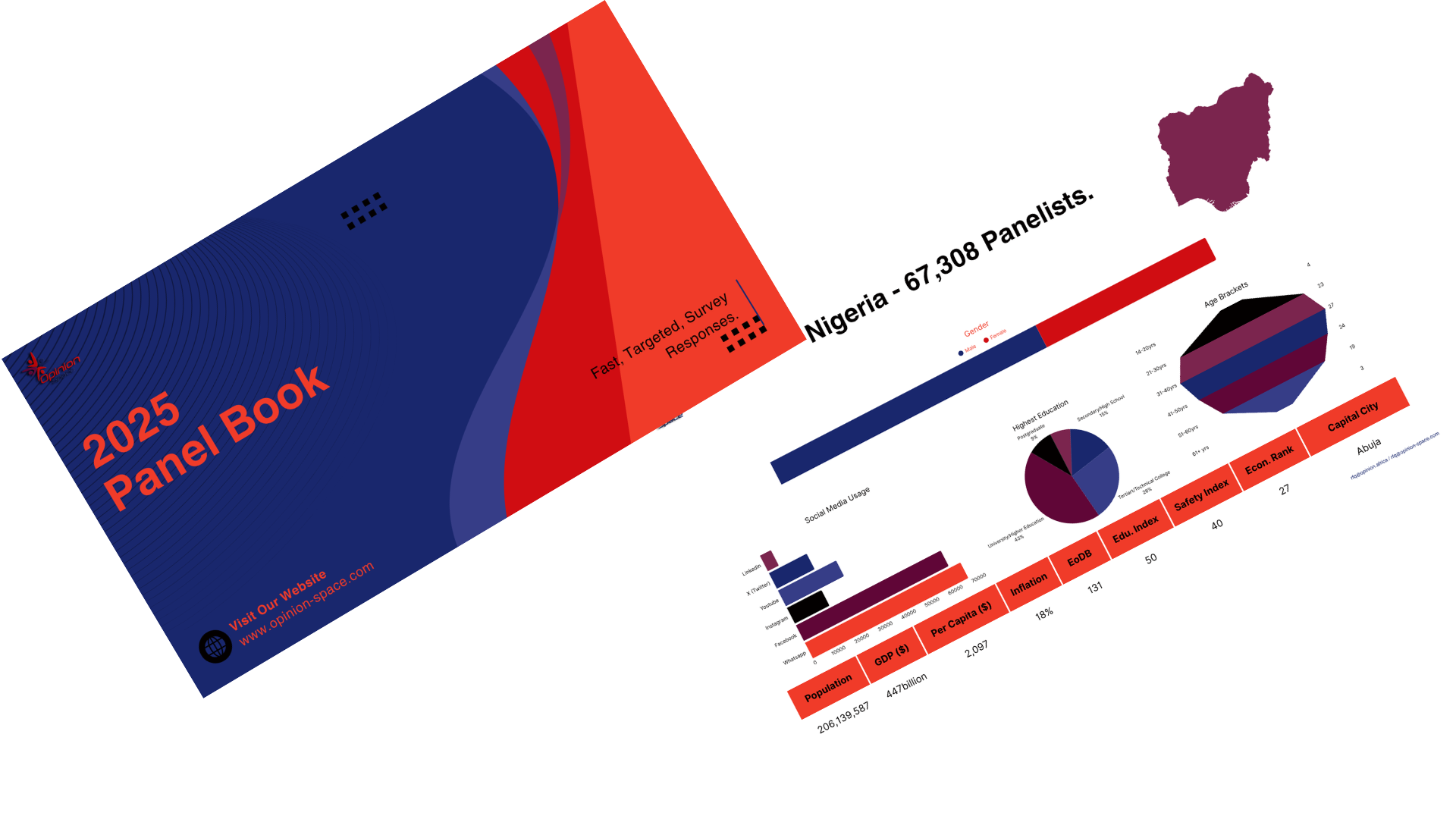
Download Our Latest Panel Book