
Techniques for Tracking Brand Health
Techniques for Tracking Brand Health
Brand health isn’t just a marketing metric — it’s a full-body check-up for your brand. In today’s fast-moving markets, where consumer expectations shift constantly and competitors move quickly, tracking brand health helps businesses stay grounded in reality. It provides clarity on how consumers perceive your brand, how often they choose it, and what emotional or functional associations they attach to it.
Strong brands don’t wait for sales declines to start asking questions. They proactively monitor performance indicators that show whether the brand is growing, stagnating, or silently losing relevance. Below are the essential techniques brands use to track and strengthen their brand health over time — explained in-depth, with the “why” behind each approach.
1. Brand Awareness Tracking
Awareness is the entry gate to brand building. If people don’t know you exist, nothing else matters.
Spontaneous (Unaided) Awareness
This measures how many people can recall your brand without being prompted. High unaided awareness indicates strong mindshare — your brand is top of mind when consumers think about the category.
Aided Awareness
Here, respondents are shown a list of brands and asked which ones they recognize. This helps track the broader reach of your brand, even among light buyers or non-users.
Brand Recall Strength
Beyond recognition, it’s important to know how quickly and consistently your brand comes to mind. Strong recall correlates with higher purchase likelihood.
Awareness Trends Over Time
Tracking awareness monthly or quarterly reveals whether your marketing and visibility efforts are working — or if competitor activity is overshadowing you.
Awareness metrics ultimately show whether your brand is even in the game. If awareness is slipping, everything else downstream will be affected.
2. Brand Perception & Image Measurement
Brand perception reveals what people believe about your brand — whether emotionally, rationally, or intuitively. These perceptions shape how consumers interpret your messaging, how much they trust you, and what sets you apart.
Trust and Credibility
Trust remains one of the strongest predictors of acquisition and retention. Measuring trust levels helps identify whether consumers feel confident choosing your brand.
Quality and Performance Perceptions
Even in categories where products look similar, perceived quality drives preference. Tracking quality perceptions uncovers which features or benefits consumers value most.
Emotional Associations
Brands that evoke the right emotions — aspiration, comfort, excitement, reliability — build stronger loyalty. Understanding emotional response helps refine brand personality.
Value for Money
Consumers often evaluate brands not just on price, but on fairness and perceived worth. A brand can be premium and still be perceived as good value.
Differentiation & Uniqueness
If consumers can’t articulate what makes your brand unique, you risk becoming interchangeable. This metric helps determine whether your positioning is clear enough.
Strong or weak perceptions guide everything from repositioning efforts to communication strategies.
3. Consideration & Purchase Intent Tracking
Awareness is important, but consideration is what separates brands that people know from brands they actually want.
Likelihood to Consider
This reveals how likely a consumer is to choose your brand the next time they buy in the category.
Barriers to Consideration
Maybe your price is too high, your packaging is confusing, or your brand doesn’t feel modern enough. Identifying these barriers helps remove friction.
Competitive Alternatives
Understanding which brands consumers consider alongside yours shows who your real competition is — not just who you think it is.
Purchase Intent Strength
High purchase intent suggests your value proposition is resonating. Low intent means you may need to clarify benefits or strengthen your message.
Brands that improve consideration generally see improvement in market share and revenue.
4. Customer Satisfaction & Experience Tracking (CSAT & NPS)
Customer satisfaction metrics help brands understand whether their promises match their actual delivery.
Overall Satisfaction Scores
These scores give a general sense of how customers feel about your product or service.
Touchpoint-Level Performance
From onboarding and delivery to customer service and product usage, each touchpoint influences overall satisfaction. Tracking these individually helps pinpoint where the customer journey breaks down.
Net Promoter Score (NPS)
NPS measures how likely customers are to recommend your brand. High NPS indicates loyalty and strong emotional attachment.
Expectations vs. Experience Gaps
This is one of the most telling metrics. If expectations are consistently higher than the experience delivered, churn risk increases.
Satisfied customers buy more, stay longer, and advocate more strongly — making these metrics essential for brand longevity.
5. Usage & Attitude (U&A) Insights
U&A research doesn’t just tell you what consumers think — it explains their habits and emotional motivations.
Usage Frequency & Contexts
Tracking when, where, and how often consumers use your brand helps refine product development and messaging.
Motivators Behind Selection
Why do people choose your brand? Convenience? Performance? Price? Habit? These insights help deepen your positioning.
Switching Patterns & Loyalty Drivers
If customers are switching to competitors, U&A studies reveal why — and what would bring them back.
Category Attitudes
Sometimes changes in category perception (not the brand itself) impact performance. U&A helps contextualize the brand within the broader landscape.
U&A insights help sharpen a brand’s strategy, ensuring it remains culturally relevant and behaviorally aligned with consumer needs.
6. Competitive Benchmarking
No brand operates in isolation. Benchmarking helps brands understand their performance relative to competitors.
Awareness & Perception Comparisons
Are your competitors gaining mindshare faster? Are they perceived as more innovative or trustworthy?
Strength vs. Weakness Mapping
This identifies areas where you lead or lag behind competitors.
Share of Mind & Share of Voice
Tracking media presence and consumer conversation volume reveals how visible your brand is relative to others.
Emerging Threats & New Entrants
Regular tracking helps identify disruptors before they become dominant.
Benchmarking keeps your brand grounded, ensuring you’re not growing complacent while competitors rise.
7. Social Listening & Digital Signals
Digital behavior provides real-time insight into how consumers feel and talk about your brand.
Sentiment Trends
Automatically detects whether people are talking positively, neutrally, or negatively about your brand online.
Conversation Volume
Spikes in conversation often signal major events — good or bad — that require attention.
Influencer & Community Impact
Understanding who is shaping conversations helps refine engagement strategies.
Online Review Patterns
Reviews reveal recurring problems or standout strengths.
Search Behavior & Trend Data
Search data indicates interest, curiosity, or concern around your brand and category.
Digital signals complement traditional tracking by offering real-time feedback loops.
8. Brand Equity & Loyalty Measurement
Brand equity reflects the long-term value and resilience of your brand.
Emotional Loyalty
Measures the strength of emotional connection — the hardest metric to build, but the most valuable.
Willingness to Pay a Premium
Premium pricing power is one of the clearest indicators of strong equity.
Repeat Purchase Behavior
Indicates whether customers come back because they want to — not because they have to.
Advocacy & Word-of-Mouth Strength
Satisfied customers who actively recommend your brand accelerate organic growth.
Equity metrics show how future-proof your brand is.
Conclusion
Brand health tracking gives brands a 360-degree view of how they perform in the eyes of consumers. By combining perception, behavior, satisfaction, loyalty, and digital signals, brands gain the clarity needed to refine strategy, strengthen communications, enhance customer experience, and outperform competitors.
Strong brands don’t guess — they measure. And the ones who measure consistently are the ones who remain relevant over time.
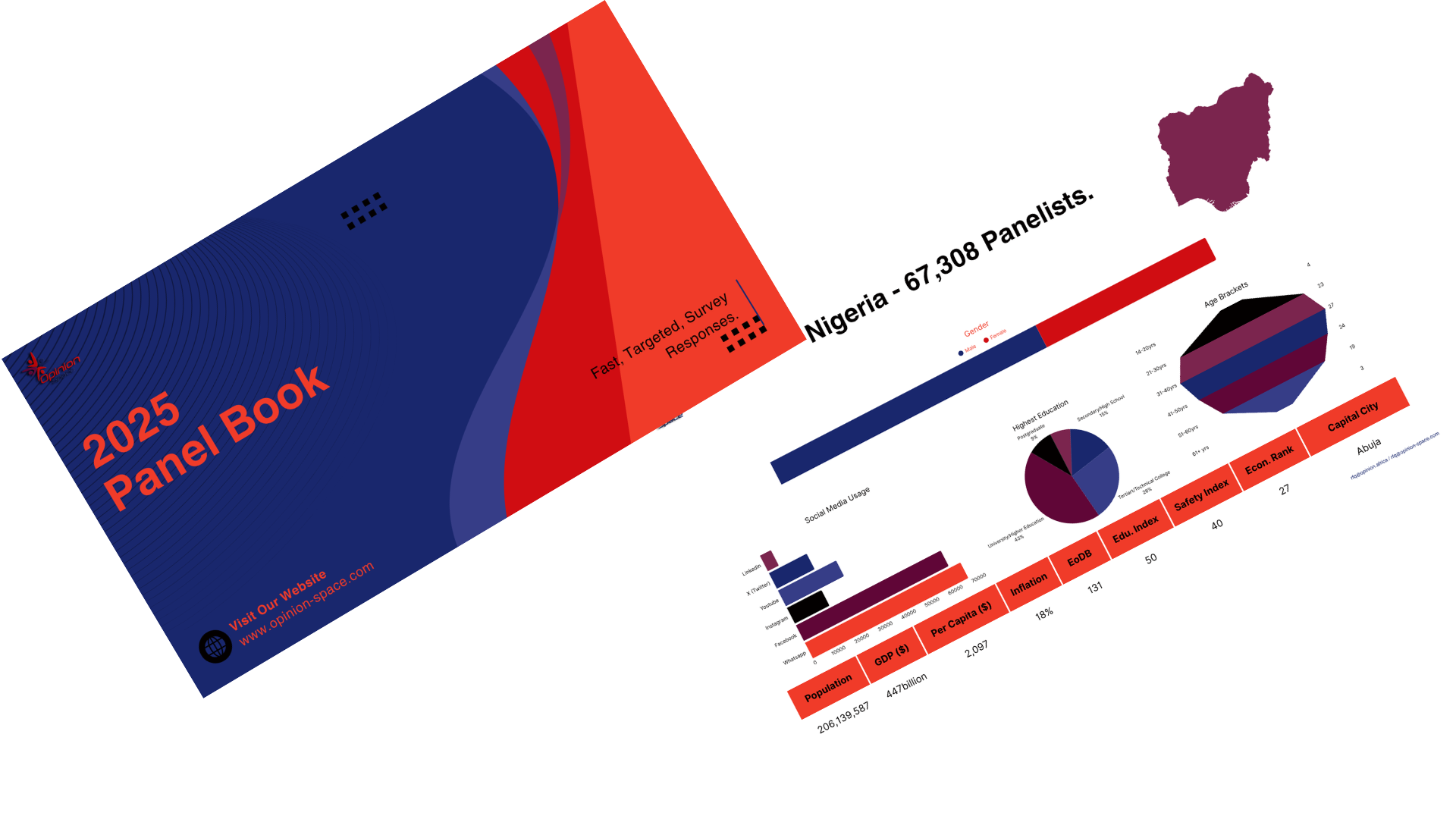
Download Our Latest Panel Book