
Benefits of Tracking Customer Sentiment

Benefits of Tracking Customer Sentiment
Customer sentiment tracking goes far beyond knowing whether customers “like” or “don’t like” your brand. It uncovers the emotional temperature behind every interaction — how people feel, what excites them, what frustrates them, and what keeps their loyalty strong. By monitoring sentiment over time, brands can understand shifts in perception, detect early warning signs, and deepen emotional connection with their customers.
Sentiment isn’t static; it moves with experiences, product changes, cultural trends, and competitive dynamics. Continuous tracking ensures brands stay aware of these shifts and respond with agility.
Why Sentiment Matters
Sentiment directly shapes how customers behave — and how they talk about your brand.
1. Sentiment Drives Loyalty
Positive emotions build long-term customer relationships. When customers consistently feel valued, understood, and satisfied, they naturally become repeat buyers.
2. Sentiment Fuels Advocacy
Emotionally connected customers are more likely to recommend a brand, leave positive reviews, and defend it publicly. Advocacy is rooted in how consumers feel, not just what they purchase.
3. Sentiment Shapes Brand Reputation
Public opinion is powerful. Sentiment trends — especially online — can strengthen or weaken brand reputation faster than traditional metrics can track.
4. Sentiment Predicts Behavior
Negative sentiment often appears long before customer churn or declining sales. When monitored properly, it becomes an early indicator for future problems.
Sentiment matters because emotion drives decision-making — and sentiment tracking allows brands to understand and influence those emotional drivers.
Methods for Tracking Sentiment
Different tools and research approaches contribute to a comprehensive view of how customers feel. Each method reveals a unique dimension of sentiment.
1. Social Listening
Tracks conversations across social platforms to monitor real-time opinion shifts, customer complaints, trending topics, and emotional tone. Ideal for fast detection of emerging narratives.
2. Customer Surveys
Structured surveys capture detailed insights about emotions tied to products, services, features, and experiences. Open-ended questions reveal nuance that scores alone can’t show.
3. Net Promoter Score (NPS)
Measures likelihood to recommend — a strong proxy for emotional loyalty. Paired with follow-up questions, NPS uncovers sentiment drivers behind promoter, passive, or detractor behavior.
4. AI-Driven Text Analytics
Analyzes large volumes of unstructured data (reviews, comments, chats, emails) to identify patterns in tone, emotion, and topic themes. Helpful for spotting sentiment trends at scale.
5. Diary Studies
Participants document real-time thoughts and emotions during product or service use. This method captures authentic, in-the-moment sentiment that might otherwise be forgotten.
Using multiple methods together creates a holistic, reliable picture of customer sentiment.
Using Sentiment Insights
Sentiment insights are only powerful when they translate into action. Brands can use sentiment tracking to improve strategy across multiple areas.
1. Strengthen Communication
Knowing how customers feel helps refine tone, messaging, and brand voice. Sentiment reveals whether communication feels helpful, confusing, reassuring, or frustrating.
2. Improve Customer Experience (CX)
When sentiment dips around specific touchpoints, brands can quickly diagnose the cause — such as slow service, poor packaging, unclear instructions, or digital friction.
3. Prevent Churn Before It Happens
Early signs of dissatisfaction often appear in sentiment trends before customers formally complain or leave. Acting early reduces churn and saves revenue.
4. Respond to Issues or Crises Quickly
Sentiment spikes (positive or negative) signal moments when the brand needs to respond. Fast interpretation and action stabilizes reputation and maintains trust.
5. Guide Product Enhancements
Sentiment around product features or attributes helps teams know what to prioritize, fix, or expand.
6. Strengthen Internal Alignment
Sharing sentiment feedback across teams (CX, marketing, product, operations) ensures everyone understands what customers feel and why.
Long-Term Value of Continuous Sentiment Tracking
Tracking sentiment over time delivers strategic benefits that go beyond individual insights.
1. Better Customer Understanding
Ongoing monitoring reveals emotional patterns that shape customer relationships. Brands learn what consistently drives loyalty vs. what creates friction.
2. Increased Agility
Brands can pivot quickly when shifts occur, adjusting messaging, fixing pain points, or responding publicly before issues escalate.
3. Stronger Brand Health
Sentiment trends directly impact reputation, trust, and long-term brand equity. Continuous tracking provides early warning signals.
4. Greater Customer Trust
When customers feel heard — and see that feedback leads to action — trust grows. Trust forms the foundation of both loyalty and advocacy.
5. Better Strategic Decisions
Sentiment offers emotional context behind behavioral data, helping brands make decisions that resonate deeply with customers.
Conclusion
Customer sentiment tracking is more than a diagnostic tool — it’s a powerful, forward-looking strategy for any brand that wants to stay emotionally connected to its customers. By understanding how people feel, why they feel that way, and how those feelings shift over time, brands become more responsive, more human, and more capable of building long-term relationships.
Emotion drives loyalty. Sentiment tracking helps brands understand those emotions — and act on them with intelligence and care.
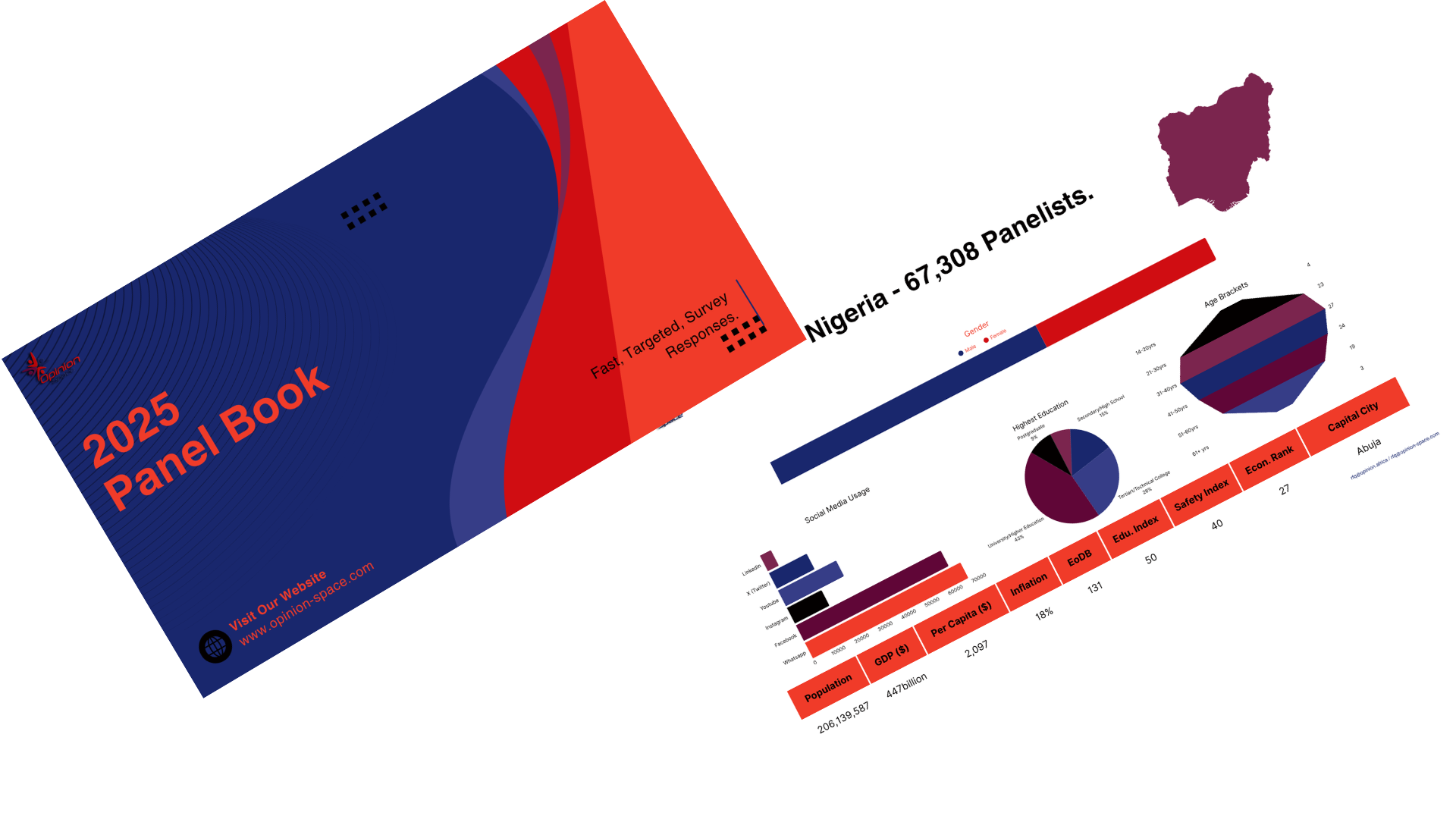
Download Our Latest Panel Book