
Guide to Creating Customer Personas

Guide to Creating Customer Personas
Customer personas help businesses understand who they are serving, what these customers care about, and how they make decisions. Instead of designing products or campaigns for a vague “general audience,” personas turn your market into human-centered profiles grounded in real data.
A well-crafted persona brings clarity, focus, and empathy into your strategy. It helps teams align on priorities, messaging, product features, and customer journeys. Whether you’re building a startup or refining a mature brand, personas are one of the simplest tools for driving relevance and improving performance.
This guide walks you through how to create customer personas that aren’t generic or imagined, but research-driven and actionable.
Start With Real Data — Not Assumptions
Great personas begin with research, not brainstorming. Use multiple data sources to understand the real behaviors, needs, and frustrations of your customers.
Your research can include:
- Customer interviews – Deep, conversational insights about motivations
- Surveys – Quantitative validation of patterns across segments
- Analytics – Behavioral data from your product or website
- Customer support logs – Common pain points and questions
- Sales feedback – What prospects ask for or object to
- Market research – Demographic and psychographic trends
Anchoring personas in real evidence prevents them from becoming fictional stories with no strategic value.
Identify the Key Segments in Your Audience
Most companies don’t serve one monolithic audience. Instead, you’ll find distinct groups with different needs, motivations, and behaviors.
Start by identifying major differences such as:
- Goals and priorities
- Budget levels
- Product use cases
- Industry or demographic variation
- Experience level (beginner vs. power user)
- Frequency or depth of use
Segments should be meaningful — they should differ in ways that influence product design, marketing, or messaging.
Define the Core Components of a Strong Persona
A useful persona goes beyond demographics. It paints a clear picture of how and why that customer behaves the way they do.
Include these core sections:
- Background and context
- What role do they play in their organization or home life?
- What environment shapes their decisions?
- What tools or solutions do they already use?
- Motivations and goals
- What are they trying to achieve?
- What outcomes matter most?
- What defines success for them?
- Pain points and frustrations
- What challenges slow them down?
- What problems cause emotional or practical frustration?
- What limitations do current solutions have?
- Behaviors and habits
- How do they research solutions?
- What influences their decisions?
- What channels do they use most?
- How frequently do they use products like yours?
- Decision-making triggers
- What makes them switch or commit?
- What assurances do they need before buying?
- Messaging and value drivers
- What language resonates?
- What benefits matter most?
- Do they respond better to emotional or functional messaging?
- Barriers and objections
- What causes hesitation or refusal?
- What alternatives do they prefer and why?
These details turn personas from abstract descriptions into real, usable profiles.
Create Distinct, Humanized Profiles
Give each persona:
- A name
- A short headline summarizing their identity (“Efficiency-Focused Founder”)
- A brief story describing their context
- A photo that represents them (optional, helpful for teams)
Humanizing personas helps teams remember and use them.
But avoid stereotypes — the persona should reflect actual patterns from research, not imagination.
Use Behavioral and Psychographic Insights Over Demographics
Demographics alone rarely predict what a customer will value. Two people of the same age and income can behave completely differently.
More useful persona elements include:
- Mindsets
- Attitudes
- Priorities
- Challenges
- Personal motivations
- Emotional drivers
These variables shape decisions far more than surface-level demographic data.
Validate Personas Through Data Triangulation
Once you draft your personas, validate them by comparing insights across multiple sources:
- Do surveys show the same patterns interviews revealed?
- Do analytics support the behaviors you described?
- Do customer support logs mirror the pain points in the persona?
- Do sales conversations align with the motivations and objections identified?
Personas should evolve until they match both qualitative and quantitative evidence.
Map the Customer Journey for Each Persona
A persona is most powerful when you understand the journey they take.
For each persona, map:
- Awareness – How they first realize the problem
- Consideration – How they evaluate options
- Decision – What triggers the final choice
- Usage – How they interact with your solution
- Retention – What keeps them loyal
This journey map reveals opportunities to improve onboarding, messaging, UX, and retention strategies.
Use Personas Across the Entire Business
A persona is only useful if teams actually use it. Integrate personas into:
- Product development prioritization
- Marketing strategy and ad targeting
- Sales conversations
- Content creation
- Landing page messaging
- Feature planning
- Customer support scripts
- UX design and user flows
Personas become a shared language for aligning teams around customer needs.
Keep Personas Updated Over Time
Customer behavior changes — especially in response to technology, market shifts, economic conditions, or new competitors. Review and refine personas at least once a year (or more if you’re in a fast-moving industry).
Update based on:
- New usage data
- Emerging segments
- Changing customer priorities
- Competitor influence
- Research insights from interviews or surveys
Personas should be living documents, not one-time deliverables.
Conclusion
Customer personas are one of the most practical tools for aligning your business around the people you want to serve. When grounded in real research and updated regularly, they help you make better decisions, improve product value, and communicate more effectively.
Personas transform complexity into clarity — giving your team a shared understanding of who matters most, what they need, and how to win their loyalty.
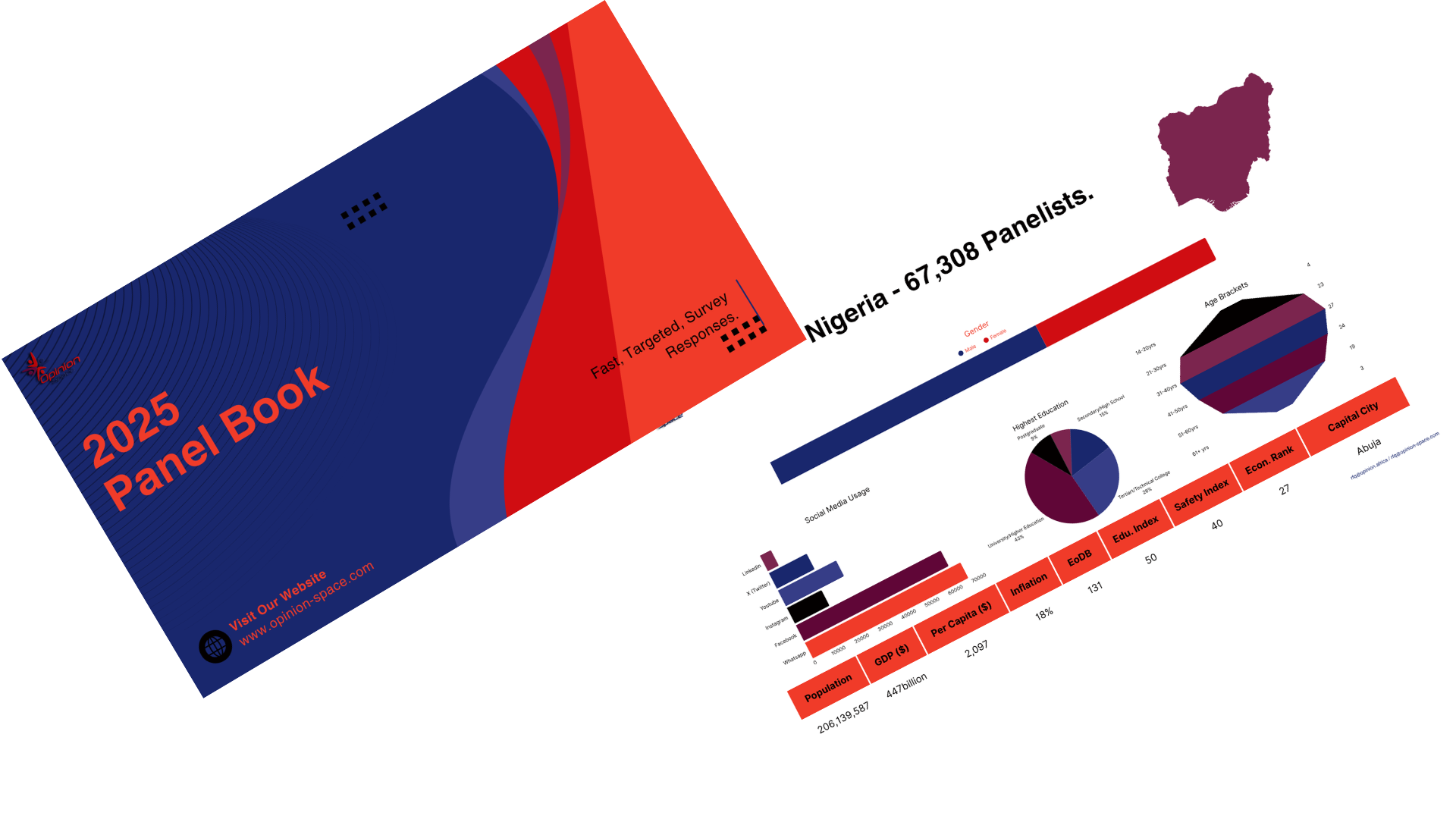
Download Our Latest Panel Book