
How to Use Segmentation to Improve Marketing ROI

How to Use Segmentation to Improve Marketing ROI
Introduction
Many brands invest heavily in marketing but still struggle to see meaningful returns. Why? Because their messages are too broad, their audiences too generic, and their campaigns too unfocused. Segmentation fixes this. By dividing audiences into smaller, high-value groups, segmentation helps brands find their most profitable customers and tailor messages that resonate deeply.
When done well, segmentation increases engagement, strengthens relationships, and significantly boosts marketing ROI.
What Is Market Segmentation?
Market segmentation is the process of dividing a broad market into smaller, meaningful groups that share similar characteristics. This allows brands to personalize communication, offers, and experiences — resulting in more effective campaigns.
Common segmentation categories include:
-
Demographic: Age, gender, income, education
-
Geographic: Region, city, urban vs. rural
-
Psychographic: Interests, values, motivations, lifestyle
-
Behavioral: Purchase frequency, brand loyalty, usage patterns
Once segments are defined, brands can tailor their strategies with much more precision.
Why Segmentation Improves Marketing ROI
Segmentation ensures marketing investments go toward audiences with the highest likelihood of engaging, converting, and remaining loyal.
Key benefits include:
-
Higher relevance: Personalized messages drive stronger responses
-
Lower cost per acquisition: Less waste, better targeting
-
Better customer experience: Customers feel understood
-
Improved product-market fit: Offers aligned with real needs
-
Stronger loyalty: Personalization encourages repeat purchases
Simply put: segmentation makes marketing smarter, more efficient, and more profitable.
How to Build Effective Customer Segments
Building meaningful segments requires data, insight, and clear strategic frameworks. Here’s how to do it:
-
Collect high-quality data
Use CRM data, surveys, transaction logs, and web analytics. -
Identify meaningful differences
Look for patterns in needs, motivations, behaviors, or frustrations. -
Validate segments
Ensure each segment is real, distinct, reachable, and valuable. -
Prioritize by opportunity
Focus on segments that offer the highest ROI or strategic advantage. -
Create personas
Give segments human characteristics — names, goals, challenges — to help teams understand and act on them.
Examples of Segmentation in Action
Segmentation delivers value across industries:
-
Retail: Loyalty programs targeting frequent shoppers
-
Telecom: Bundles designed for heavy data users
-
Banking: Differentiated products for SMEs, students, or retirees
-
FMCG: Tailored messaging for value buyers versus premium shoppers
These tailored strategies often result in higher conversions and stronger loyalty.
Turning Segments into Actionable Marketing Strategies
Identifying segments is only the first step — activation is where ROI is unlocked.
Effective activation includes:
-
Segment-specific content: Different ads, email flows, and landing pages
-
Customized offers: Promotions or bundles relevant to each segment
-
Optimized channel mix: Choosing the platforms each segment prefers
-
Personalized recommendations: Using behavioral data to tailor product suggestions
When each segment receives the experience most relevant to them, performance improves across the board.
Measuring the ROI of Segmented Campaigns
To prove segmentation’s impact, brands should track performance at a segment level. Useful metrics include:
-
Conversion rate per segment
-
Customer lifetime value (CLV)
-
Cost per acquisition (CPA)
-
Engagement and click-through rates
-
Retention rate
-
Incremental lift versus general campaigns
These metrics help brands refine segments and optimize their strategies over time.
Conclusion
Segmentation is one of the most powerful drivers of marketing ROI. By understanding the differences between customer groups and tailoring strategies to their needs, brands can increase relevance, reduce wasted spend, and build stronger relationships. Whether you’re an established brand or a growing startup, segmentation offers compounding value over time.
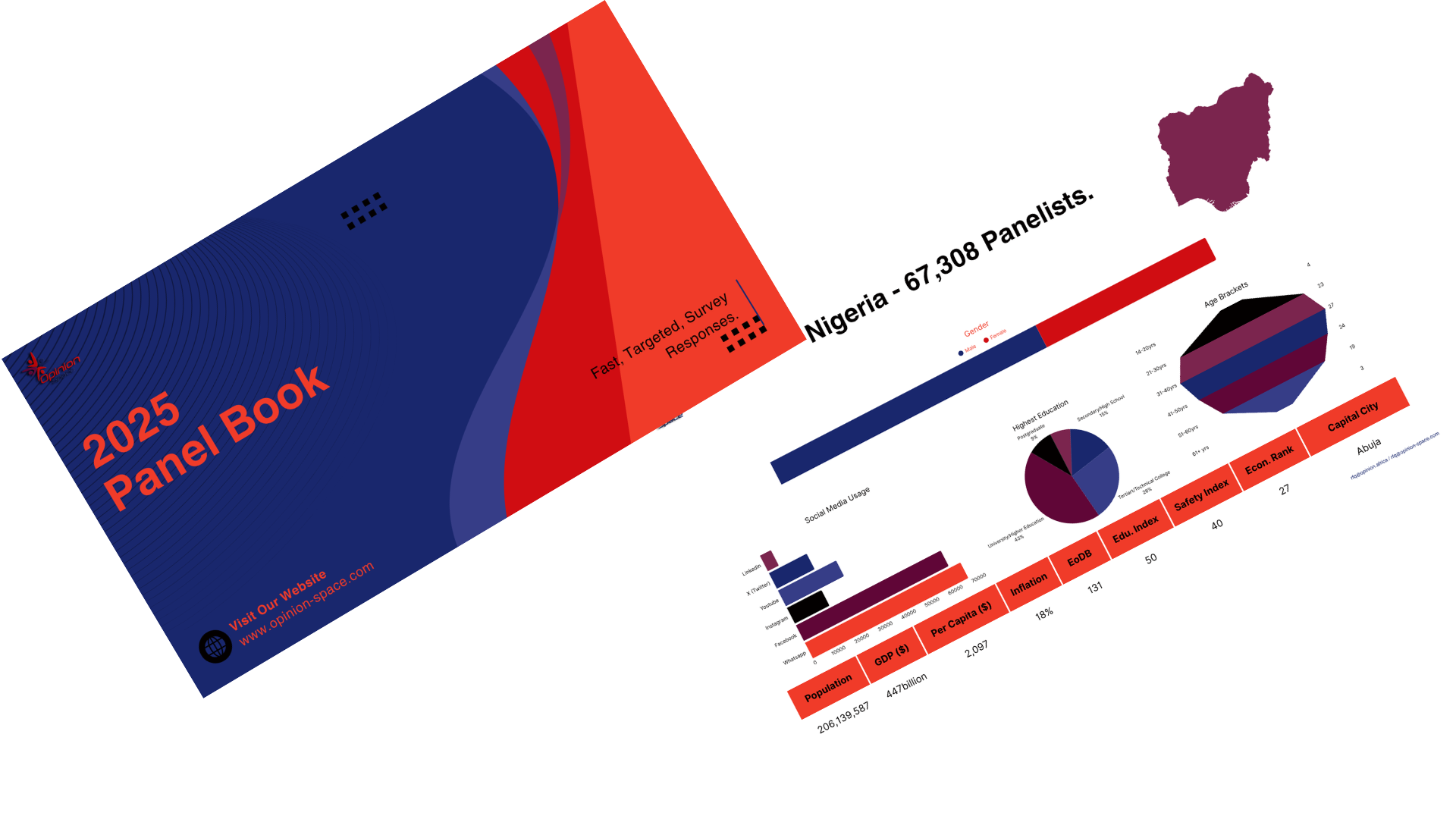
Download Our Latest Panel Book