
A Practical Guide to Brand Positioning Studies

A Practical Guide to Brand Positioning Studies
Introduction
Brand positioning is the heartbeat of brand strategy. It defines how a brand is perceived in the minds of consumers and how it stands relative to competitors. But positioning isn’t static — markets evolve, expectations shift, and new competitors enter the scene. This is where brand positioning studies come in. They help brands evaluate current perceptions, identify strategic gaps, and refine who they are in the marketplace.
What Positioning Studies Measure
Positioning studies explore the ecosystem of consumer perception and category dynamics. They typically measure:
-
Category perceptions: How consumers view the category and what matters most.
-
Brand associations: The attributes people attach to your brand.
-
Competitive mapping: How different brands in the category compare and cluster.
-
Functional & emotional benefits: What needs your brand fulfills at a practical and emotional level.
-
Whitespace opportunities: Gaps in the market where no brand is currently delivering well.
These insights form the foundation for building a sharper, more differentiated brand strategy.
Why Positioning Matters
A strong positioning strategy is one of the most powerful competitive tools a brand can have.
Good positioning helps brands:
-
Stand out in crowded or commoditized categories
-
Increase relevance by speaking directly to consumer motivations
-
Clarify messaging across campaigns, sales materials, and digital touchpoints
-
Strengthen competitive advantage through focused, differentiated value
-
Guide product, pricing, and experience decisions
When positioning is clear, every part of the brand — from comms to innovation — pulls in the same direction.
Methodologies Used
Brand positioning studies use a mix of qualitative and quantitative research techniques, depending on the depth of insight needed.
Common approaches include:
-
Perceptual mapping: Visualizes how brands are positioned relative to each other on key attributes.
-
Conjoint analysis: Helps identify which attributes or benefits drive preference.
-
Attribute rating models: Measures how consumers evaluate brands on functional and emotional dimensions.
-
Laddering interviews: A qualitative method that uncovers deeper emotional drivers behind brand choices.
-
Segmentation alignment: Ensures positioning resonates with the highest-value consumer segments.
These methods together build a comprehensive picture of where the brand currently sits — and where it has room to grow.
Turning Insights into Strategy
The power of positioning research lies in how it guides strategic decisions.
Insights from these studies help brands refine:
-
Value propositions
-
Brand personality and tone of voice
-
Messaging frameworks
-
Target segments and priorities
-
Competitive positioning
-
Long-term strategic direction
With clarity on what consumers believe and what the market lacks, brands can reposition more effectively and communicate with greater impact.
Conclusion
Brand positioning studies offer clarity, confidence, and direction — giving brands the insight required to stay relevant and competitive. In fast-moving markets, understanding how your brand is perceived and where it can confidently differentiate is essential. These studies act as a roadmap for sharper strategy, stronger messaging, and long-term brand growth.
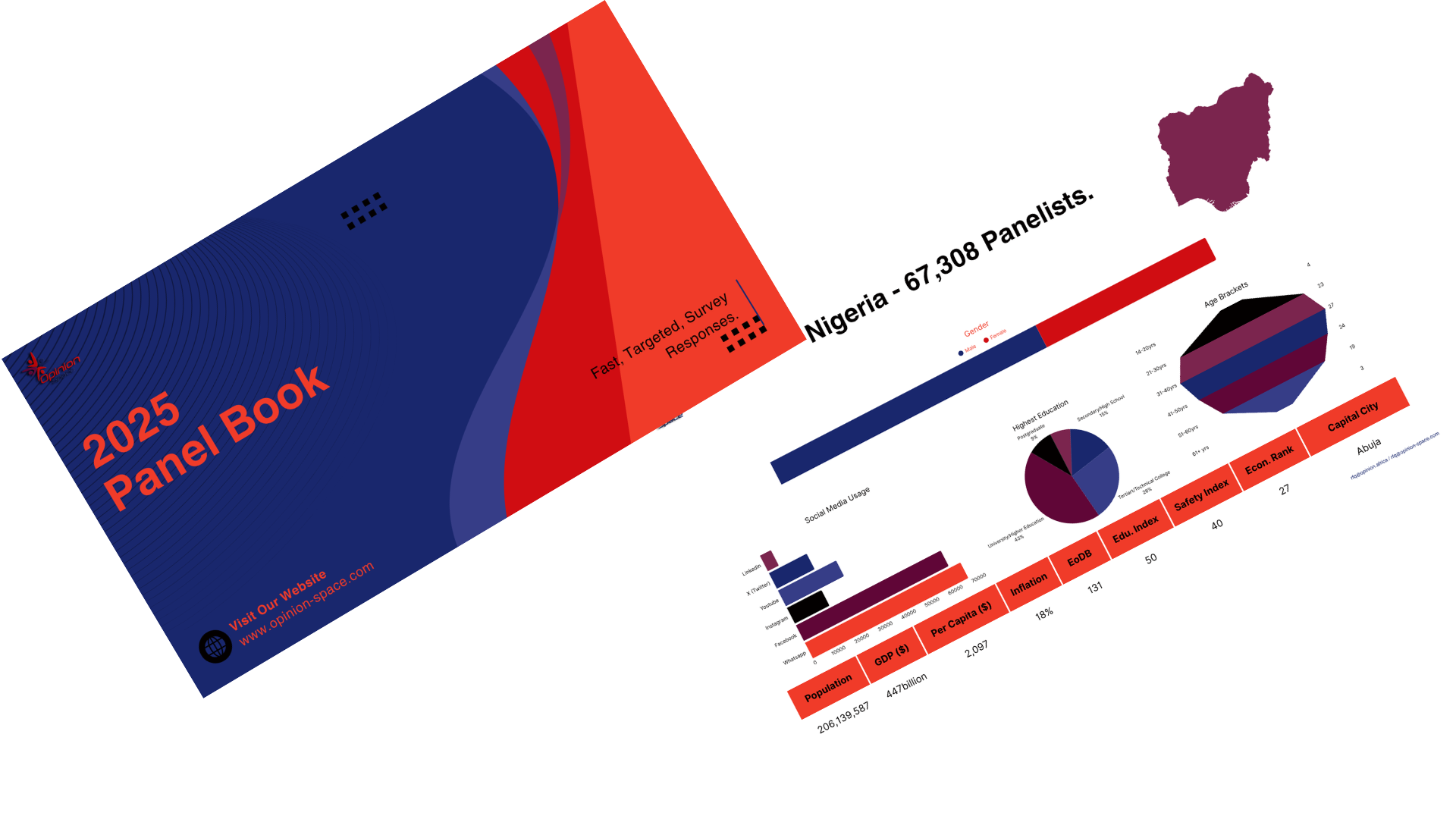
Download Our Latest Panel Book